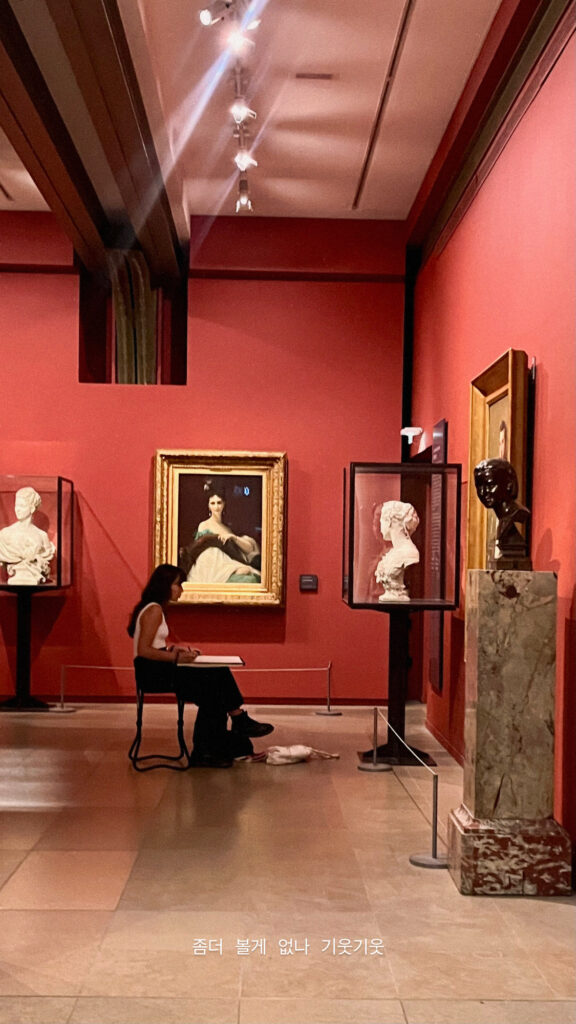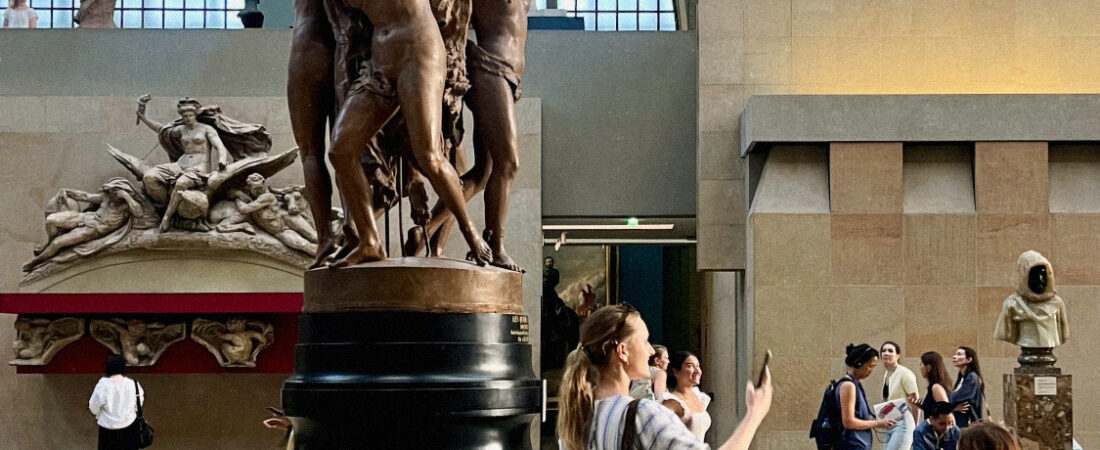
I guess I really do have a soft spot for the Musée d’Orsay.
The weather at home was unbearably hot, and with my time in Paris becoming increasingly precious, I felt like taking advantage of the city while I still could. So, once again, I found myself heading toward one of my favorite museums.
A friend happened to have an extra ticket, which was perfect because I had suddenly felt the urge to visit. Sometimes the best museum days are the unplanned ones.
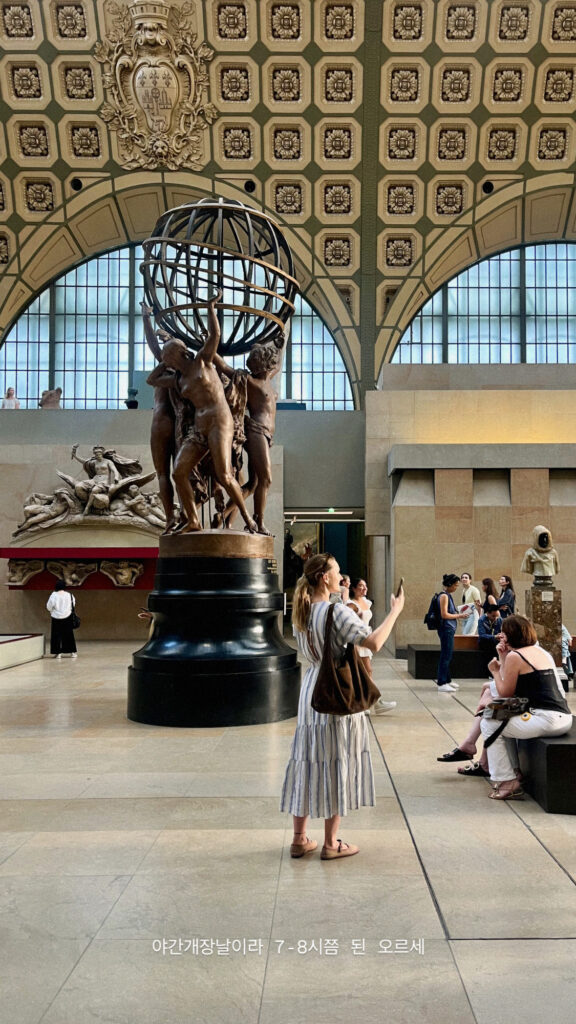
The Renoir Exhibition: Beautiful, but Crowded
I had heard stories about the crowds at the Renoir special exhibition. Renoir isn’t necessarily one of my favorite painters, so I arrived with fairly low expectations. My plan was simple: if it was too crowded, I would just explore the rest of the museum.
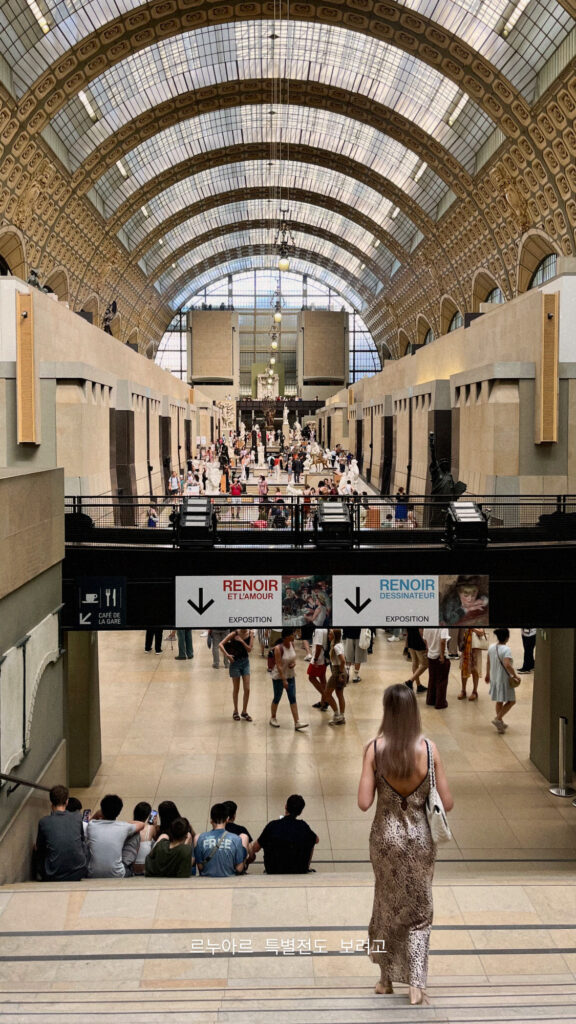
The exhibition was divided into two sections—drawings and L’Amour. The L’Amour section featured many of Renoir’s most recognizable works, the paintings that even casual museum visitors would likely know.
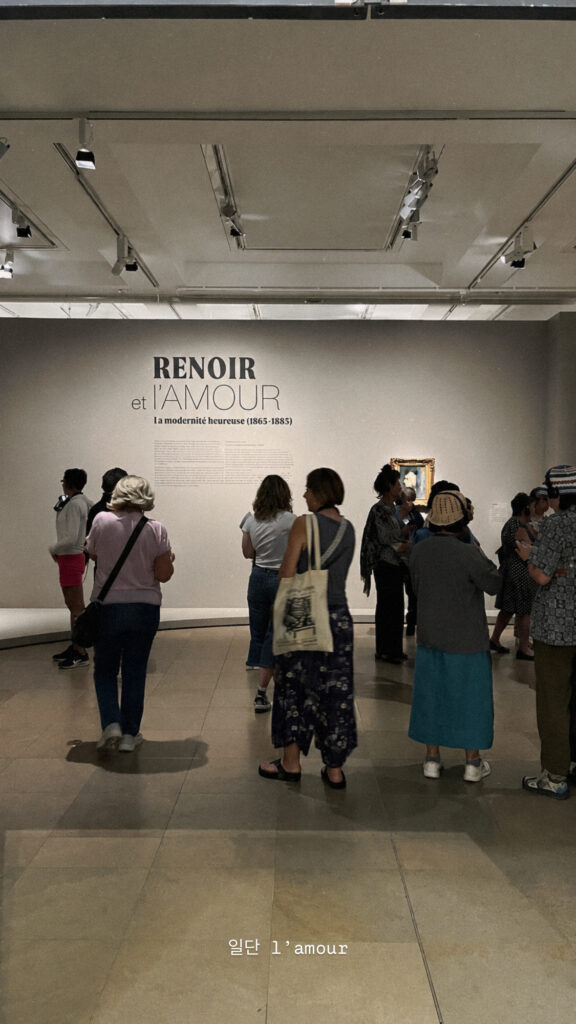
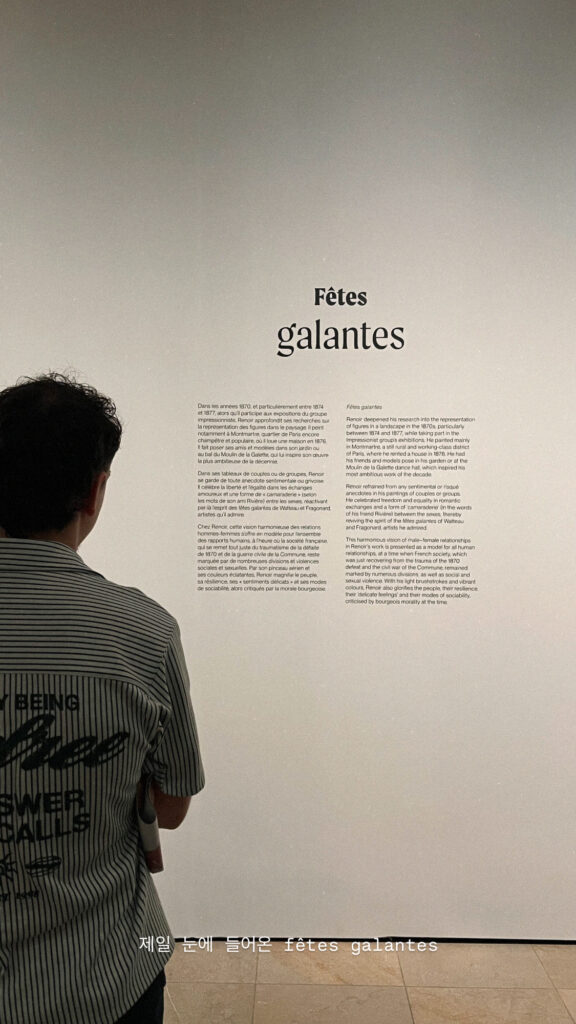
One part that particularly caught my attention was the collection inspired by Fêtes Galantes. These paintings came from the golden age of Impressionism and carried exactly the atmosphere you would expect: sunlight filtering through gardens, elegant figures, and scenes filled with warmth and movement.
As I walked through the gallery, I kept thinking about Park Chan-wook’s film The Handmaiden. Something about the women in Renoir’s paintings reminded me of Kim Min-hee’s presence in that film. The soft sunlight, lush gardens, and gentle breeze that Renoir captured with color felt surprisingly similar to the movie’s visual aesthetic.
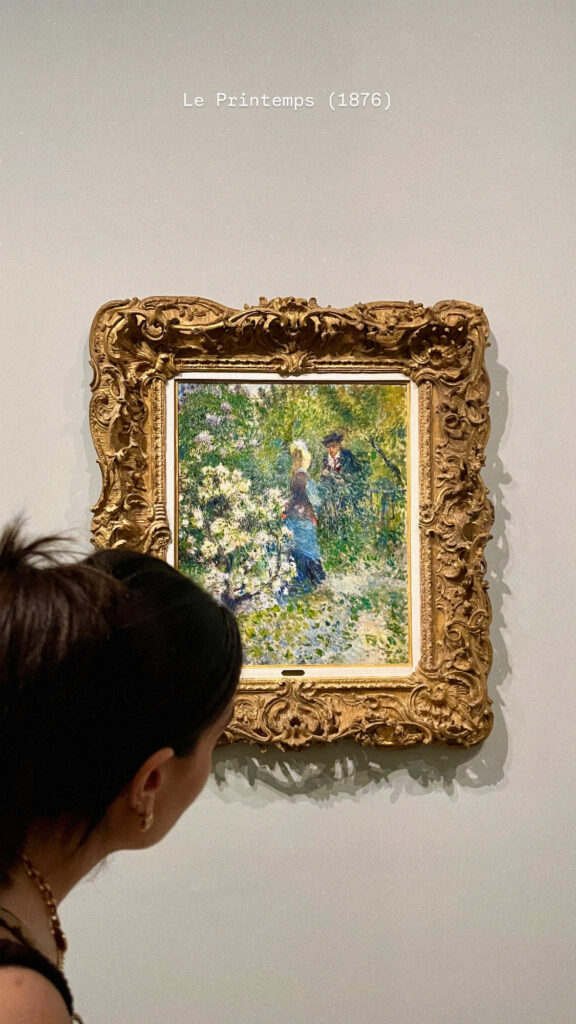
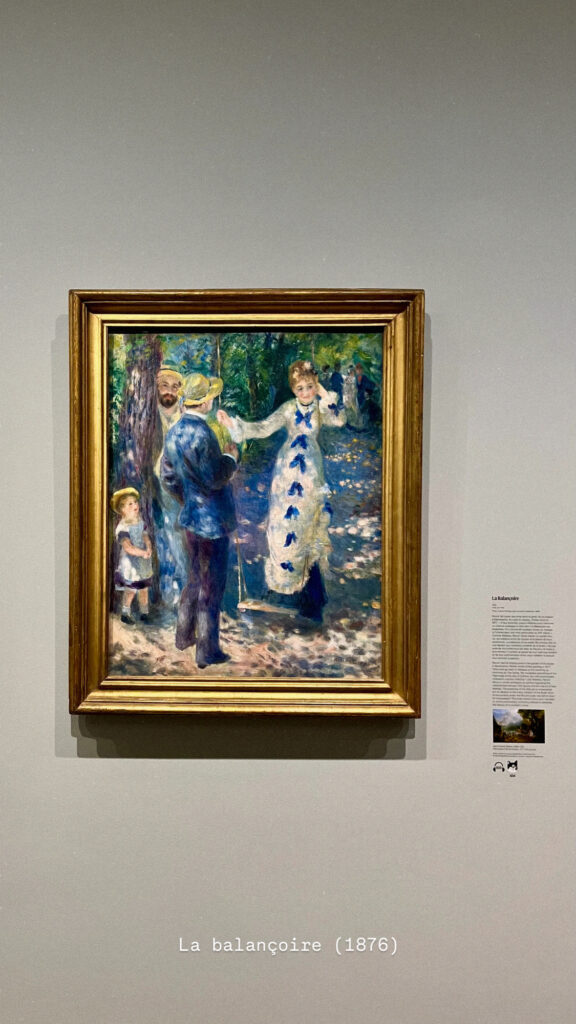
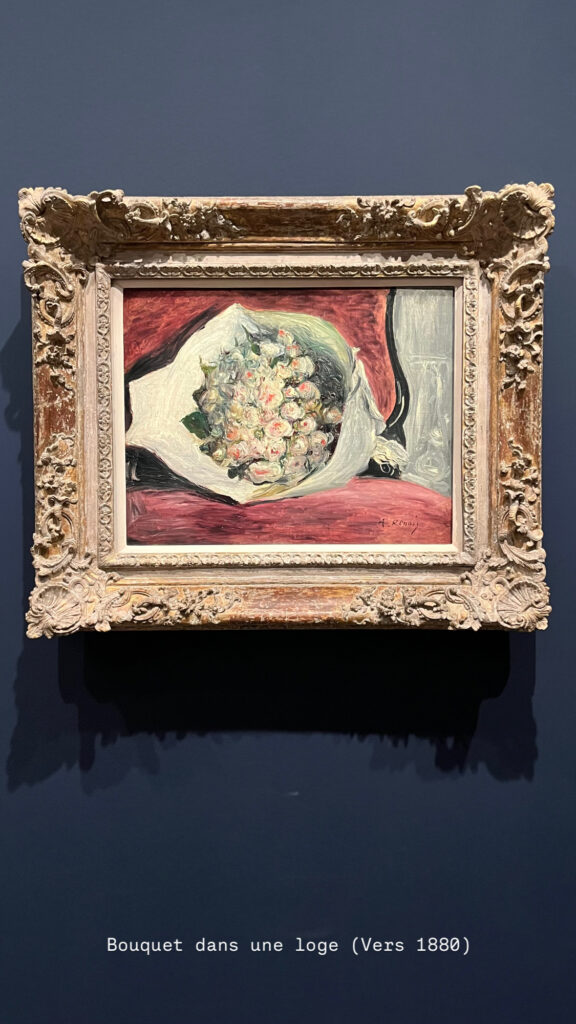
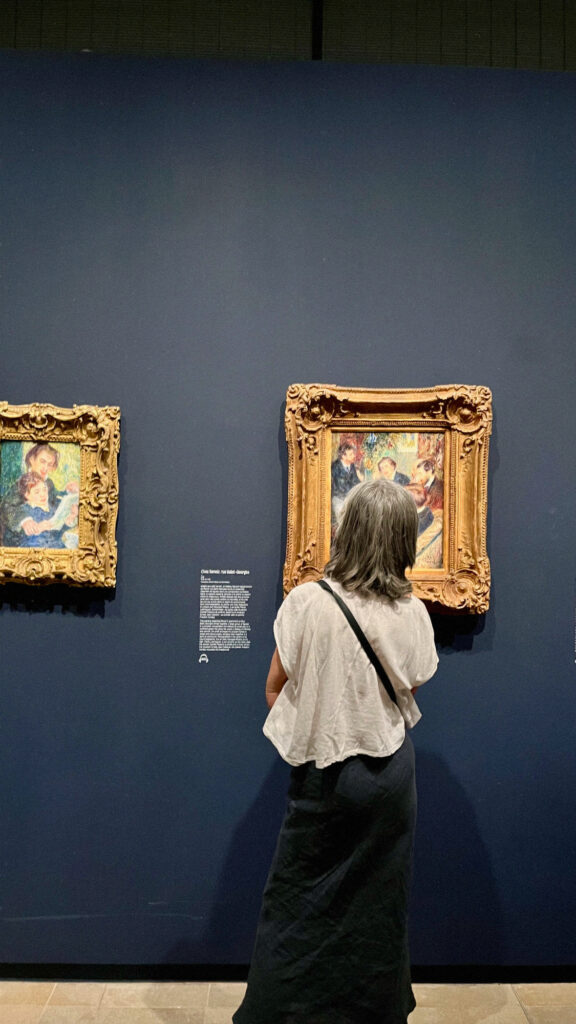
It was an unexpected connection, but once the thought appeared, I couldn’t stop seeing it.
Unfortunately, the exhibition was packed. There were simply too many people to fully appreciate the works in a quiet, contemplative way. I ended up moving through the galleries faster than I would have liked.
Straight to the Fifth Floor
Behind the galleries dedicated to Paris-themed works, there’s an escalator that takes visitors all the way to the fifth floor. If you can’t find it, you’ll end up climbing the stairs like I did on one of my previous visits.
The fifth floor is where the Impressionist masterpieces live, and naturally, it’s always crowded.
Renoir, Monet, Cézanne, Degas, Van Gogh—many of the biggest names of Impressionism are gathered on a single level.
On this visit, however, it was Monet and Pissarro who captured my attention the most.
Monet, Pissarro, and the Beauty of Light
I also spent time admiring the works of Eugène Boudin.
People often praise his skies, and honestly, they’re right. The way he painted clouds, atmosphere, and the sea feels almost effortless. Looking at his work, it’s easy to understand why later Impressionists admired him so much.
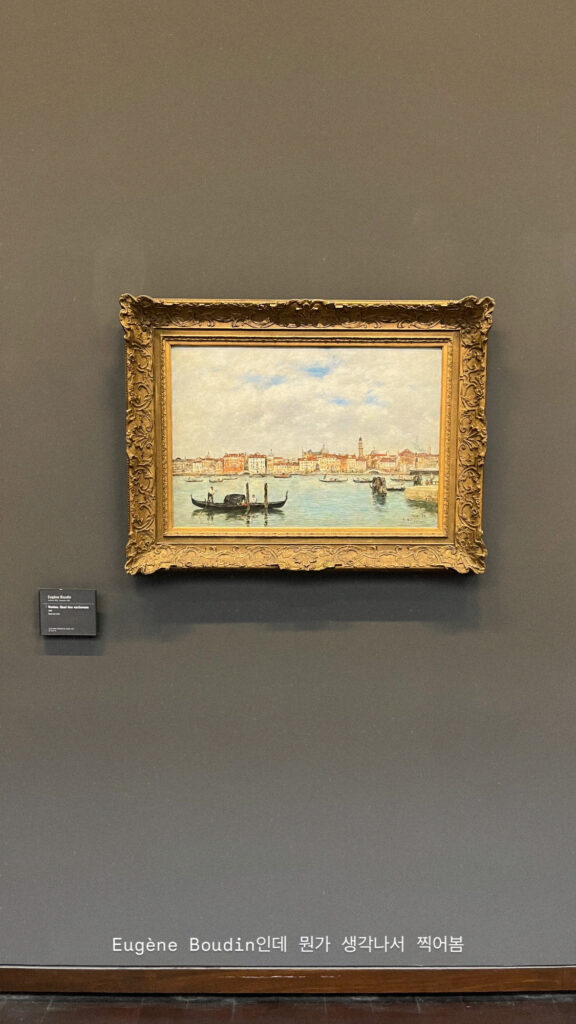
There is something incredibly comforting about these paintings. Every brushstroke feels deliberate, yet the final result appears light and natural. Standing in front of them, I found myself feeling grateful that someone had taken the time to capture such fleeting moments.
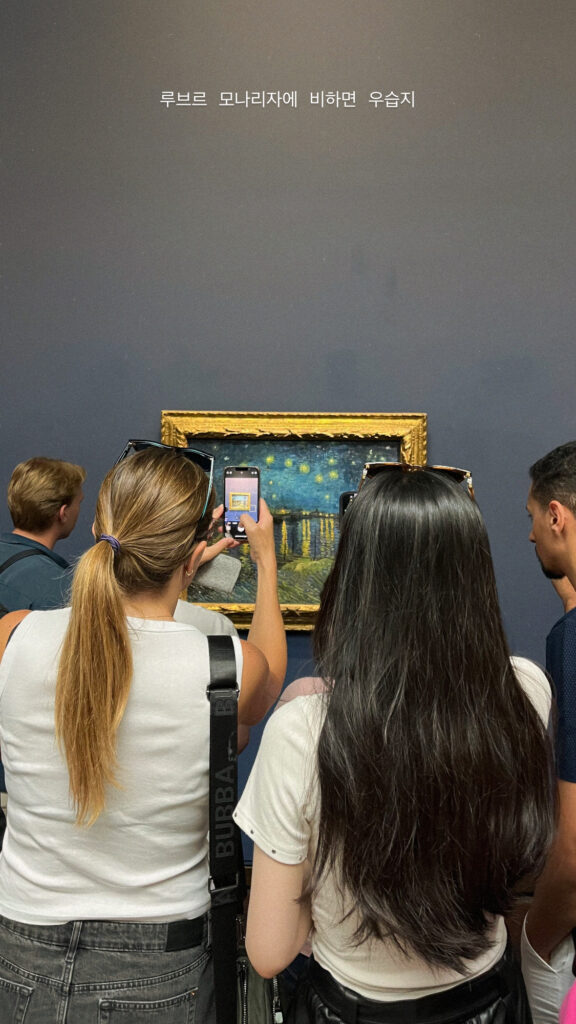
Van Gogh’s gallery was, unsurprisingly, packed.
Compared to the crowds around the Mona Lisa, it might seem modest, but people were still squeezing in from every direction. I still vividly remember the first time I saw his paintings in Paris. The impact has never really faded.
A small personal tip: if you’re looking at Starry Night over the Rhône, try viewing it slightly from the left side rather than directly in front. Somehow, the stars seem to shine more brightly from that angle.
At least, that’s how it feels to me.
Monet, meanwhile, never disappoints.
Whenever I stand in front of his water lilies, I find myself wondering whether the sun is rising or setting. The paintings seem suspended between moments.
Later, I learned that Monet suffered from severe cataracts in his later years and underwent lens-removal surgery. During that period, he experienced altered color perception, often seeing the world through intense blues and violets. Knowing that somehow makes his late works even more fascinating.
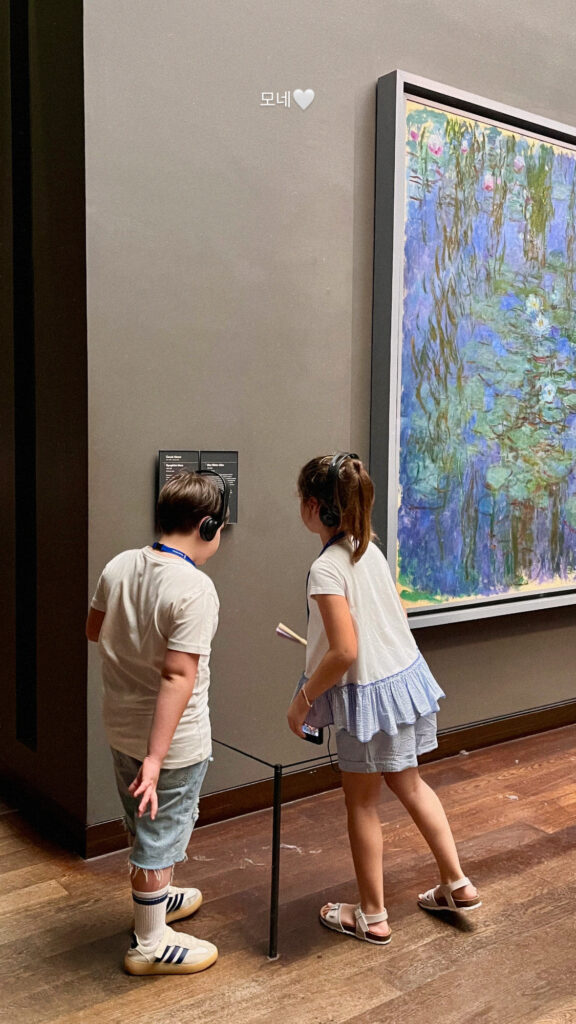
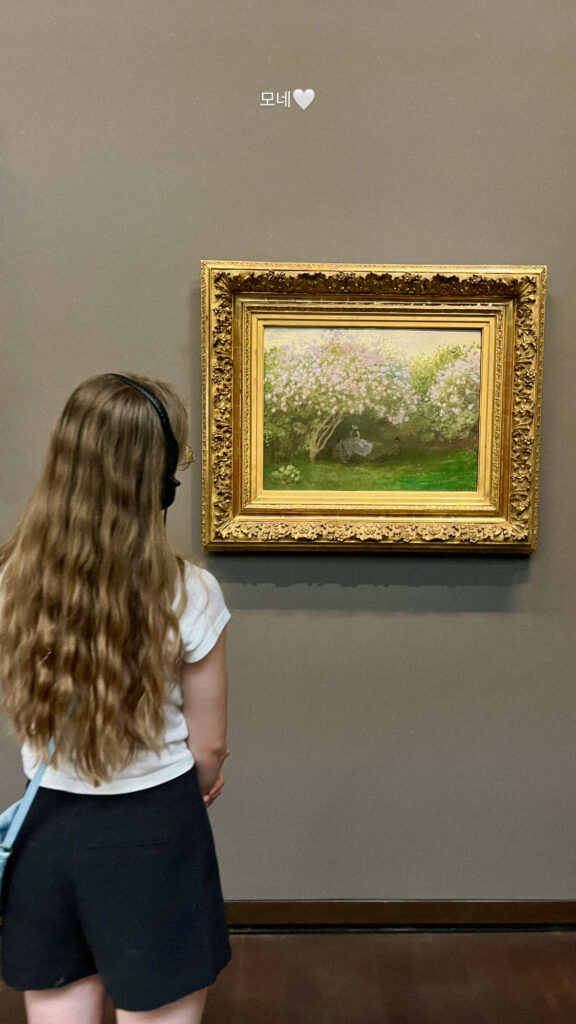
Among the paintings I photographed, Lilas, temps gris was especially beautiful. It’s exactly the kind of image I would buy as a postcard or magnet—if only the museum shop actually sold one.
Why You Should Visit the Fifth Floor First
One thing I’ve learned from multiple visits to the Musée d’Orsay is this:
Either start with the fifth floor, or skip it entirely.
If you save it for the end of your visit, you’ll arrive tired, your feet will hurt, and the crowds will feel even more exhausting. You can end up standing in front of some of the greatest paintings in the world while being too drained to appreciate them.
The Impressionist galleries deserve your full attention.
Visit them first.
Your future self will thank you.
A Coffee Break That Wasn’t Worth It
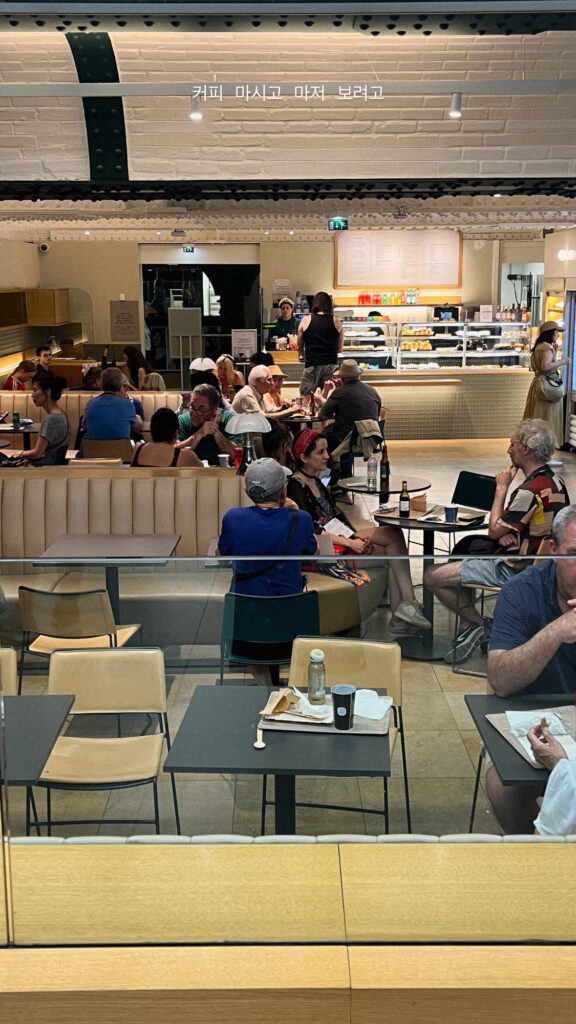
After hours of looking at paintings, I desperately needed a break.
I stopped at the museum café and ordered a café allongé and a sugar donut.
The total came to €7.80.
Unfortunately, both were terrible.
The coffee wasn’t memorable, and the donut somehow managed to be even worse.
Not every museum experience can be perfect.

The Artists I Always Return To
Beyond the famous masterpieces, there are two artists I always make time for whenever I visit the Musée d’Orsay: Camille Claudel and Pierre Bonnard.
Bonnard’s paintings feel warm and almost dreamlike. They’re the kind of works I would happily hang in my living room.
His compositions are unique, his colors feel deeply intuitive, and his interior scenes often create dramatic contrasts between light and shadow. Some of my favorite works weren’t even the ones I photographed.
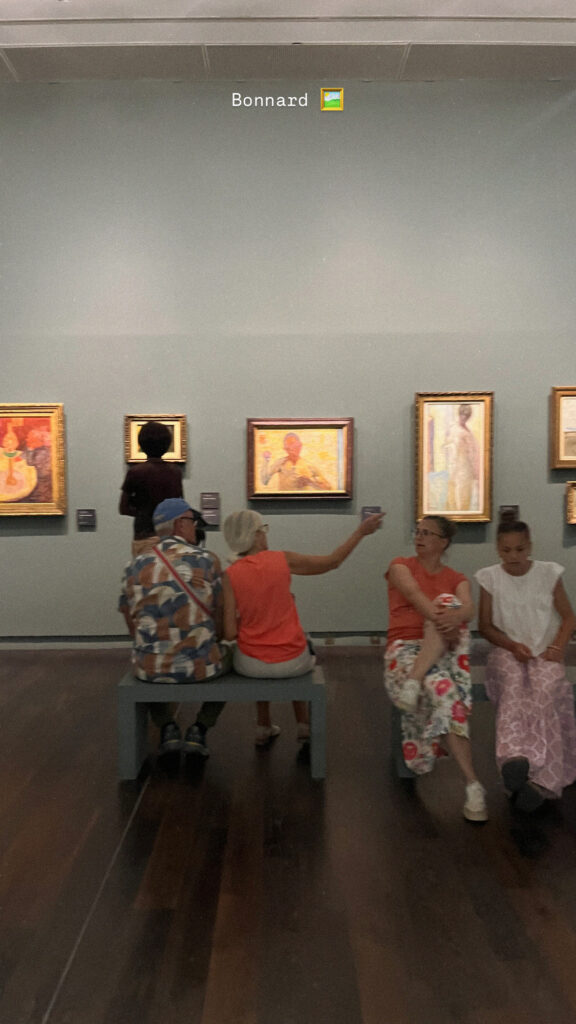
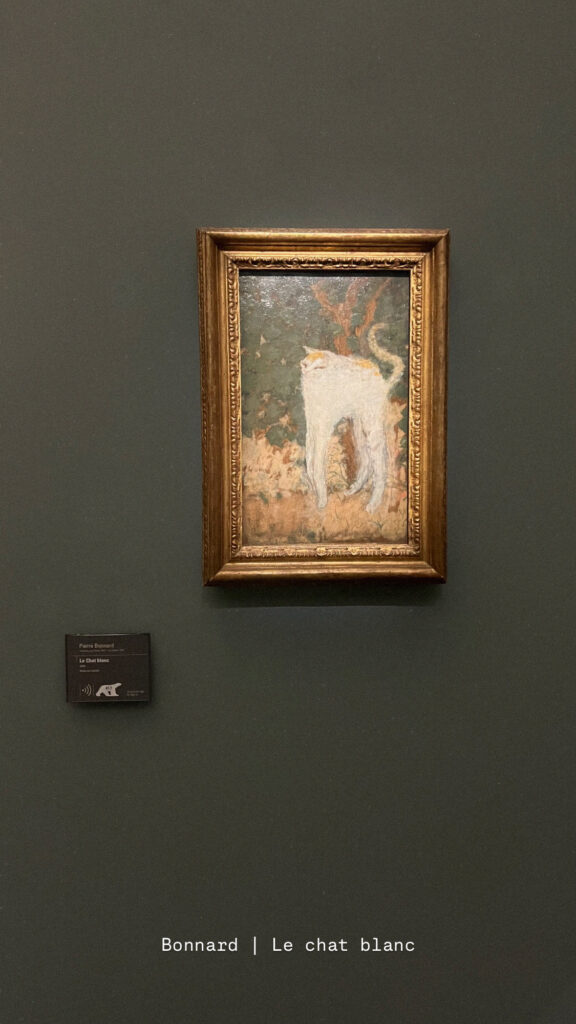
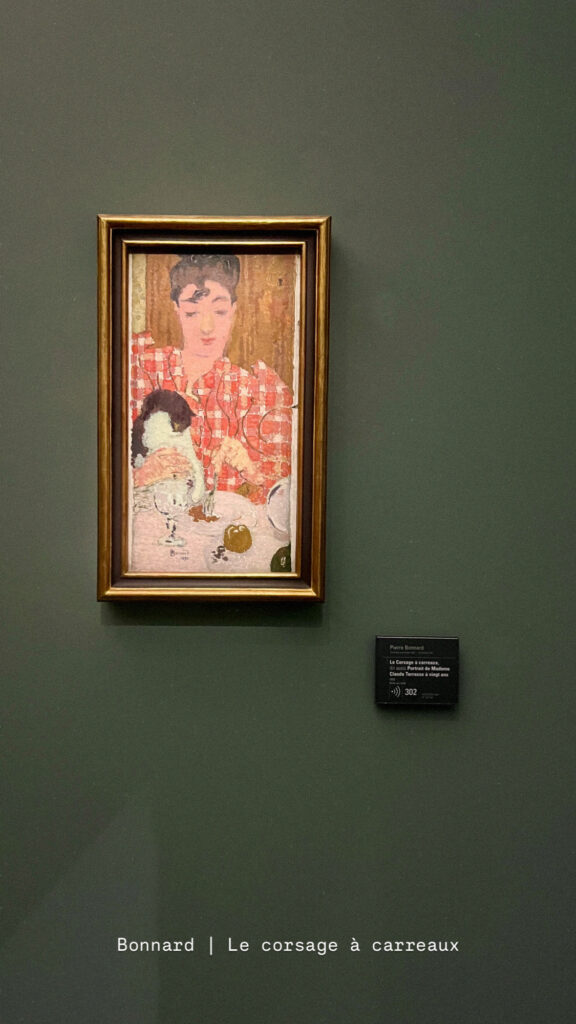
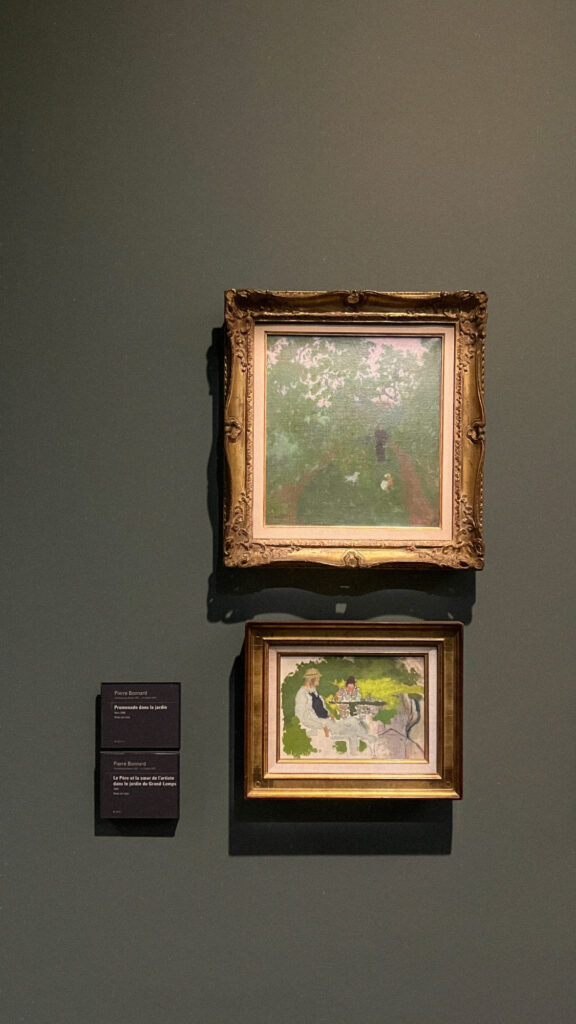
They simply felt better experienced in person.
Walking through these galleries also triggered an unexpected memory.
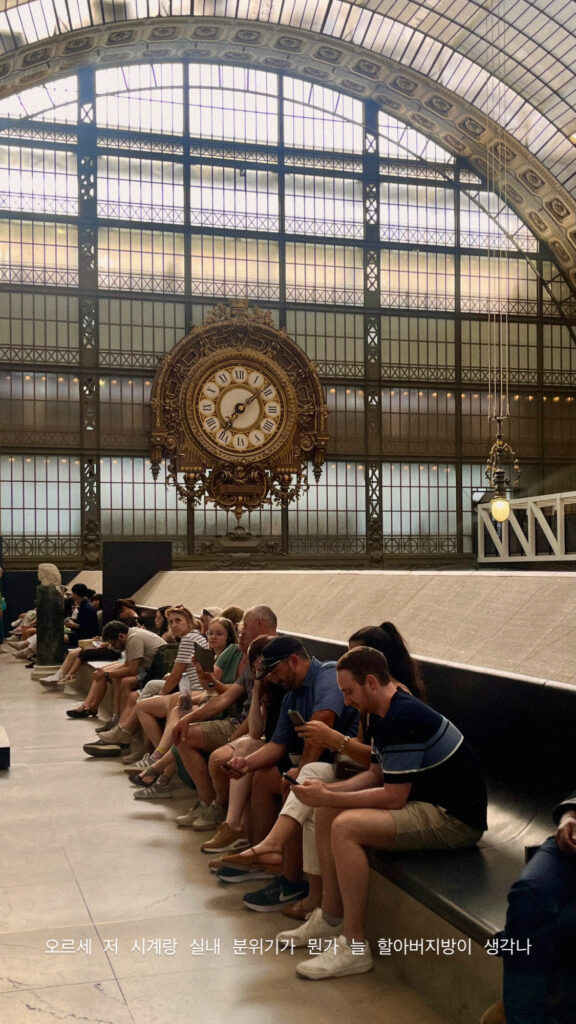
As a child, my grandfather had an old gold-colored clock in his room. Something about the atmosphere of the Musée d’Orsay often reminds me of that room.
Living in Europe has made me think about him more often than I expected.
Whenever I encounter something beautiful, I find myself thinking, “He would have loved this.”
Returning to Korea fills me with excitement, but memories like these always carry a small weight of nostalgia.
Renoir’s Drawings and a Memorable Sculpture
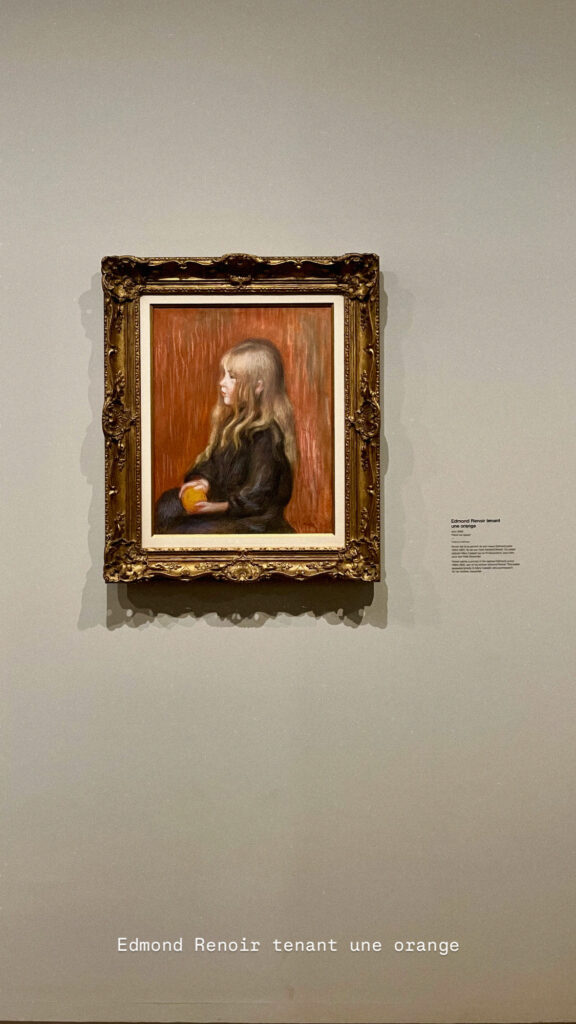
Back in the Renoir drawings section, the work that stayed with me most was Child Holding an Orange.
I have always been drawn to paintings that feature warm reds and oranges, so perhaps it’s no surprise that this one resonated with me.
If you’re visiting on a Thursday, it’s worth knowing that the museum stays open until 9:45 PM for late-night admission.
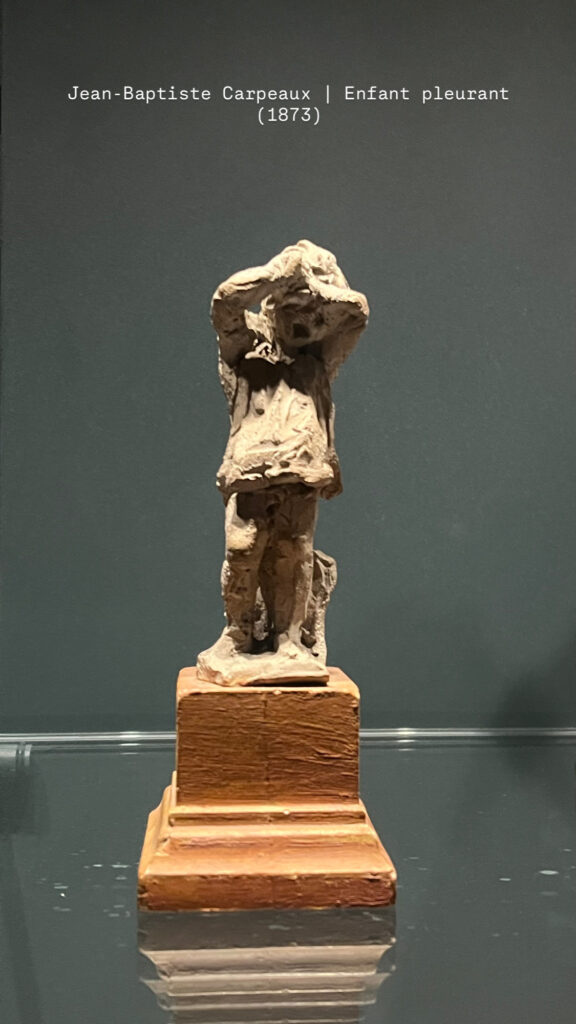
Before leaving, I came across two sculptures I hadn’t noticed on previous visits.
One depicted a crying child. Despite its small size, the emotion was extraordinary.
The other, titled La Douleur (“Pain” or “Sorrow”), affected me even more.
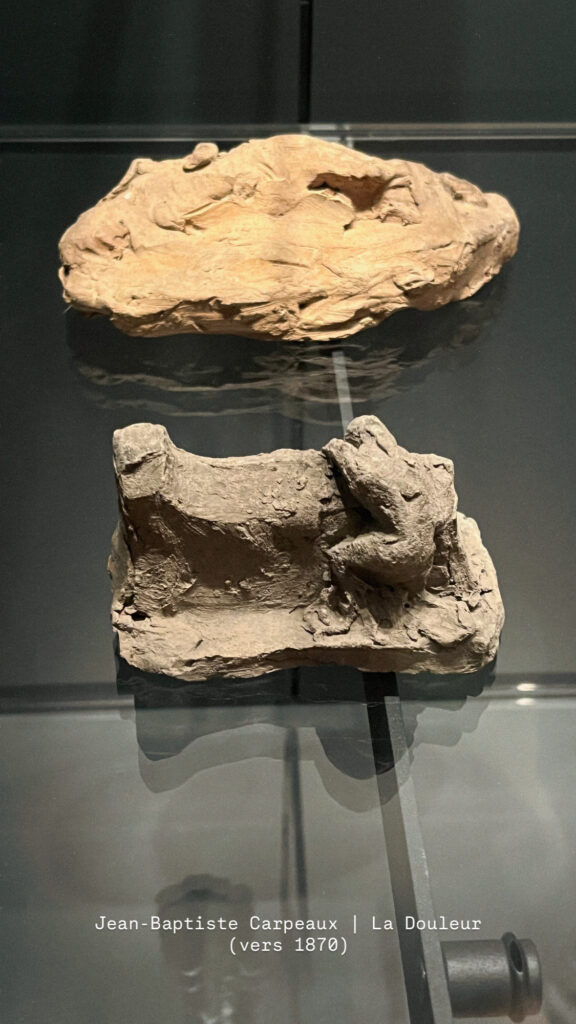
The sculpture itself is quite small, yet the feeling it conveys is immense. The despair of the woman collapsed on the ground seemed almost physically visible. Looking at her back, I could feel the weight of grief far more strongly than I expected.
It’s moments like these that remind me why I keep returning to museums.
Sometimes the works you remember most aren’t the famous masterpieces.
They’re the ones that quietly stop you in your tracks.