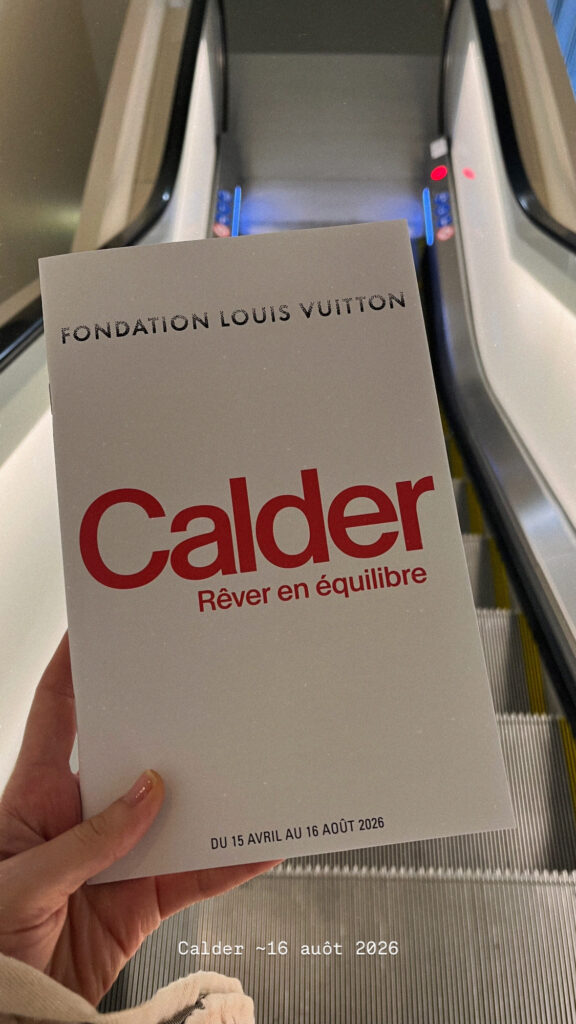
I visited the Calder exhibition at the Fondation Louis Vuitton with the help of a friend’s annual pass.
A little “staycation” in Paris instead of traveling far for the holidays.
📍 Fondation Louis Vuitton, Paris
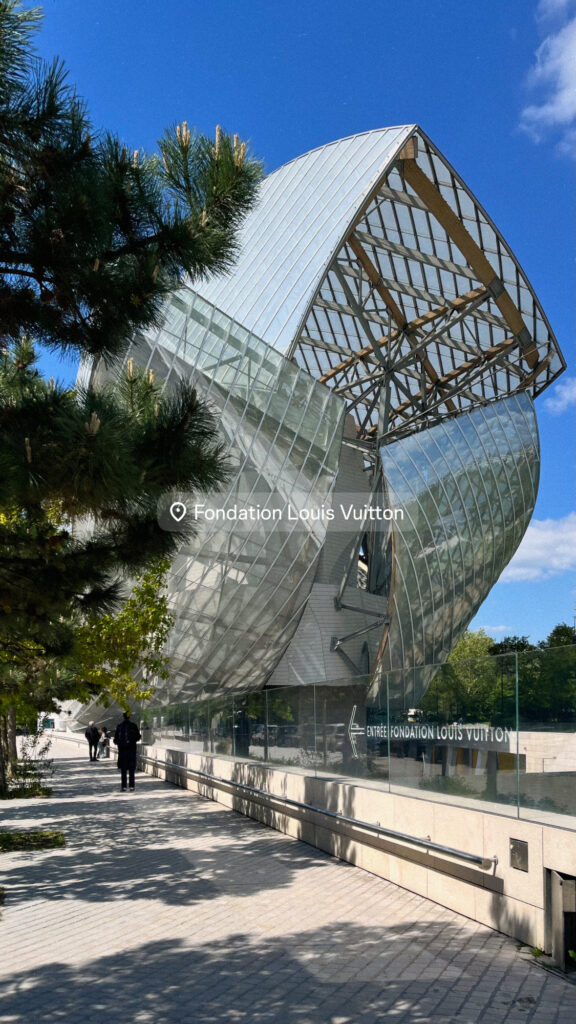
8 Av. du Mahatma Gandhi, 75116 Paris
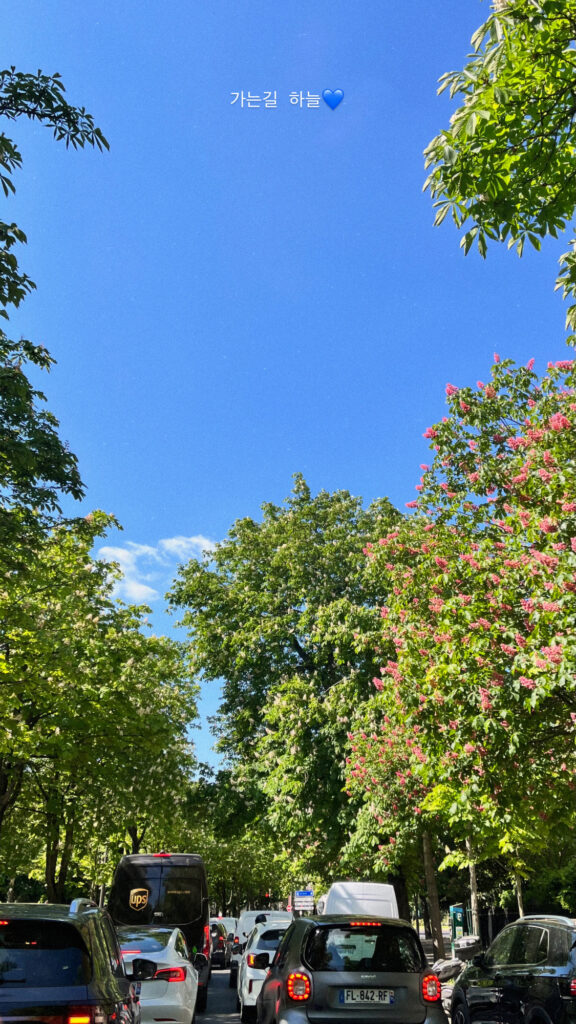
The location is quite unique — beautiful when you arrive by car, with a scenic drive through the Bois de Boulogne.
But without a car, it feels slightly isolated and not the easiest place to reach.
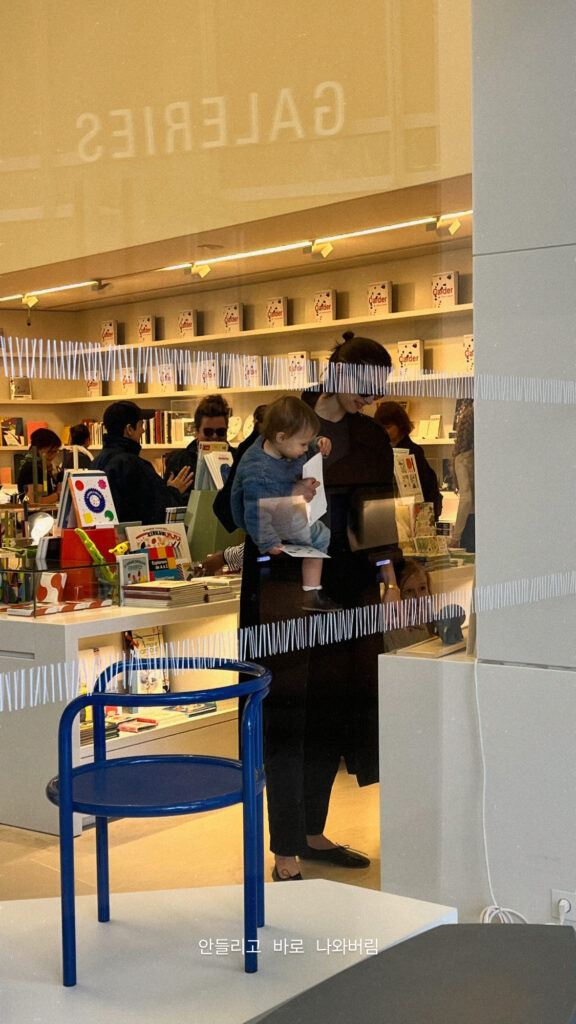
🛍️ A missed stop at the gift shop
I usually enjoy the museum shop, but I left directly through the outdoor area and completely forgot to stop by.
I had checked it during a previous visit to the Fondation Louis Vuitton, and honestly, there wasn’t much I felt compelled to buy.
Still, I wish I had looked at the Calder-related books or souvenirs more carefully — maybe next time, since the exhibition runs until August.
🎨 Calder and the feeling of “capital A Art”
Alexander Calder, an American modern artist, often feels like a figure whose work can easily be framed within institutional art spaces — almost to the point where it carries a certain “taste of capital” in its later works.
⚙️ The invention of the mobile
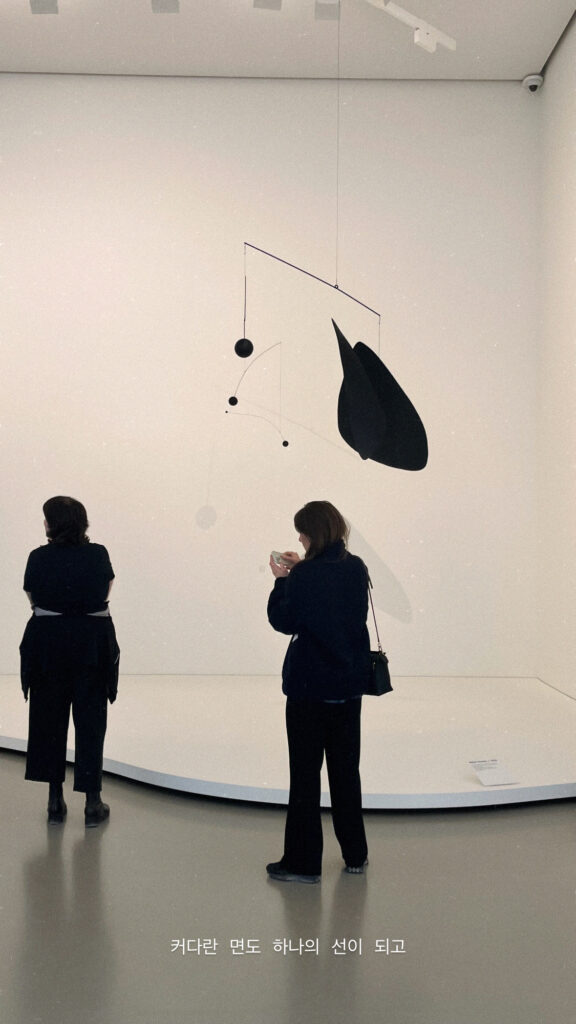
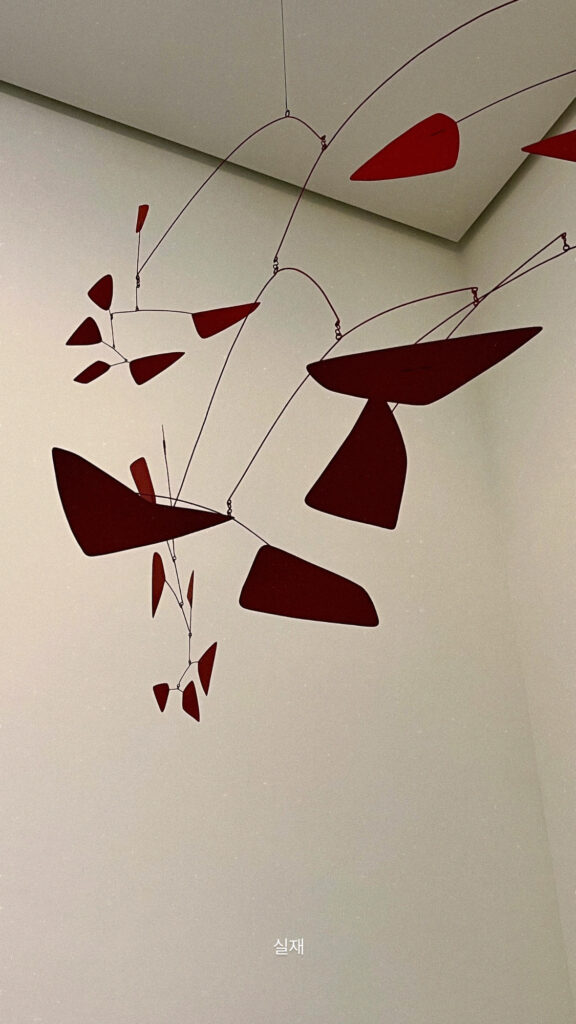
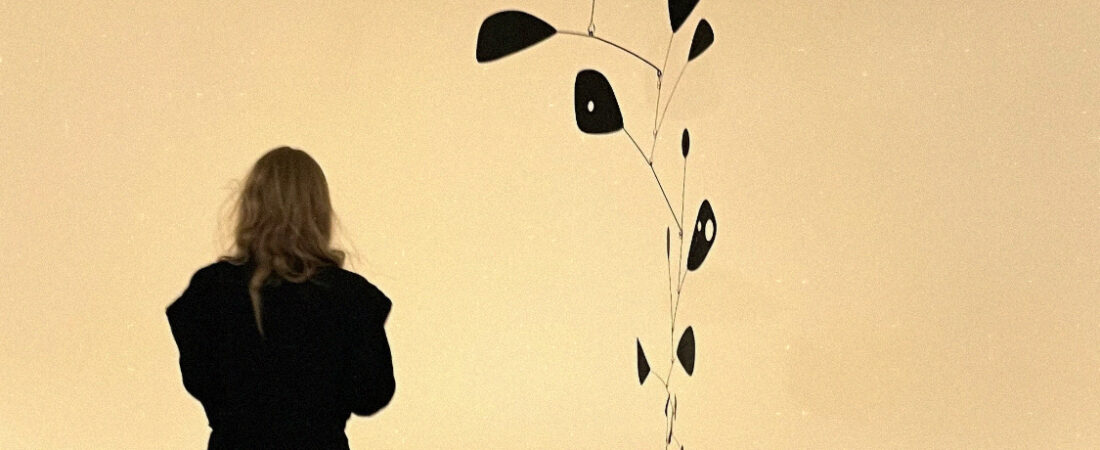
One of the most fascinating aspects of Calder’s work is his invention of the “mobile.”
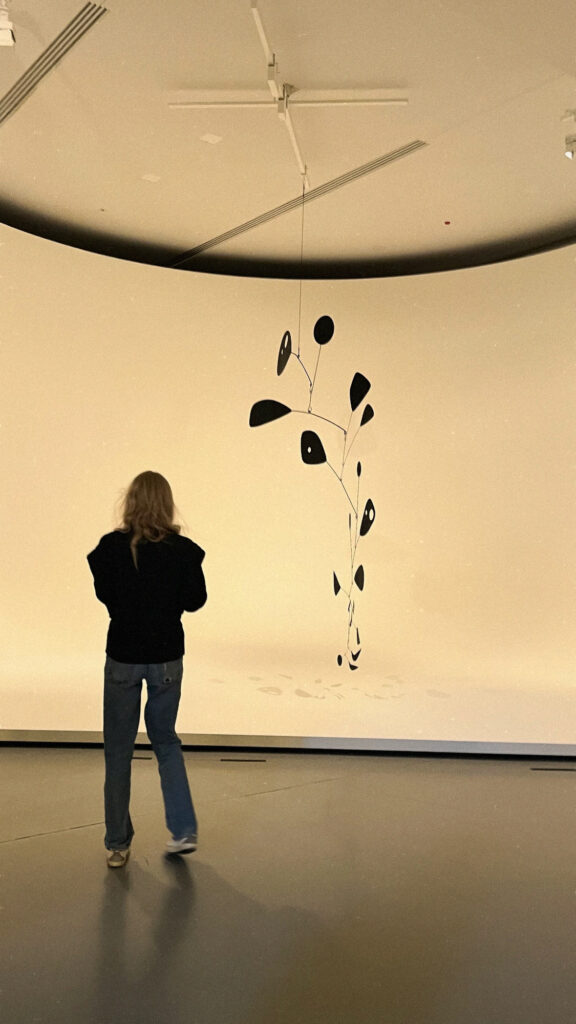
Before Calder, sculpture was mostly considered something heavy, static, and fixed in place.
Calder completely changed that idea — he introduced sculpture as something light, moving, and alive.
🎪 Cirque Calder (Calder’s Circus)
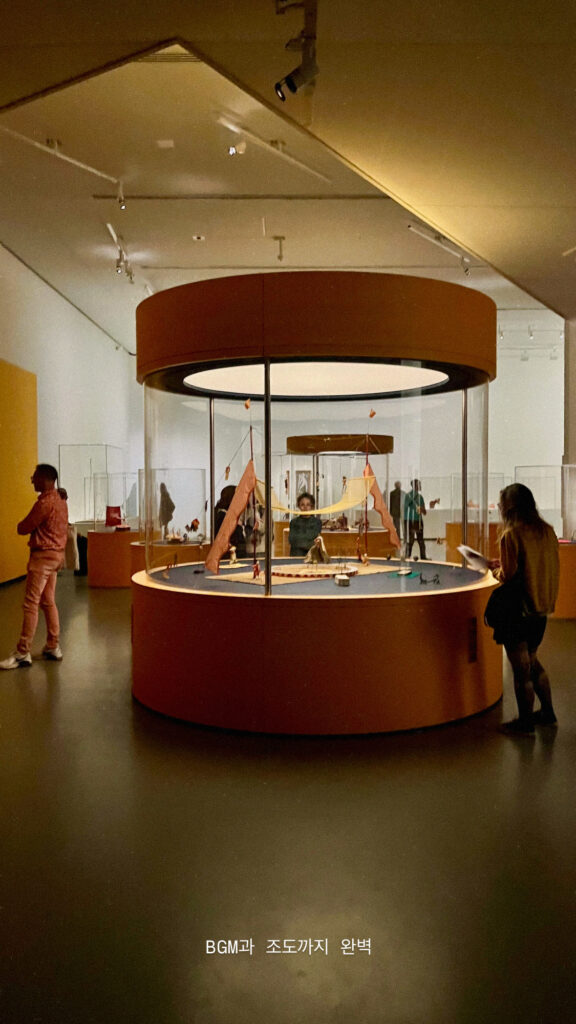
One of the highlights of the exhibition was Cirque Calder.
In a dimly lit space with circus-like sound, a miniature world came alive.
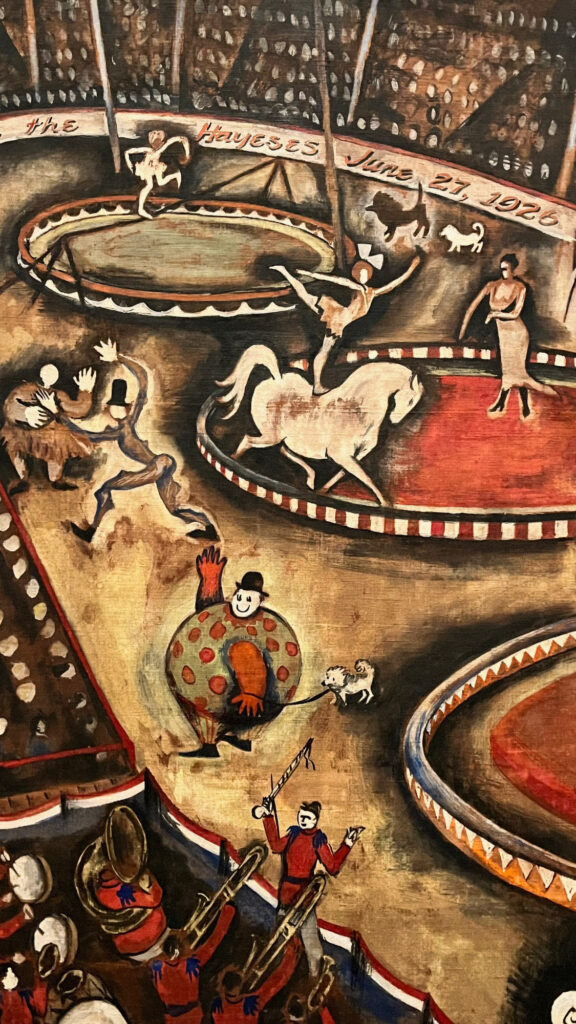
Created around 1926 after Calder moved to Paris, this moving miniature circus was made from everyday materials.
It’s incredible to imagine that artists like Picasso and many others in Paris visited him to see this playful creation.
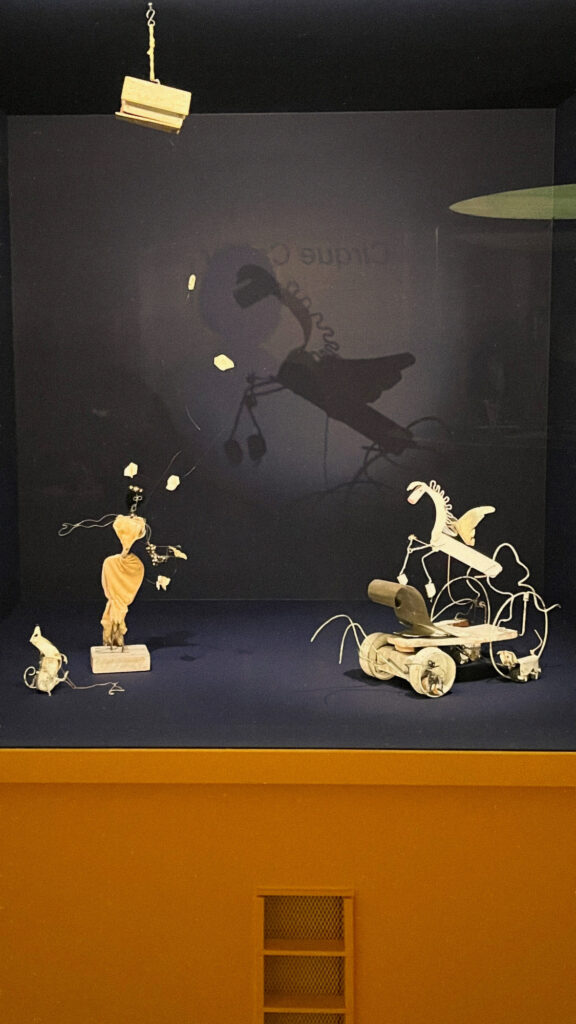
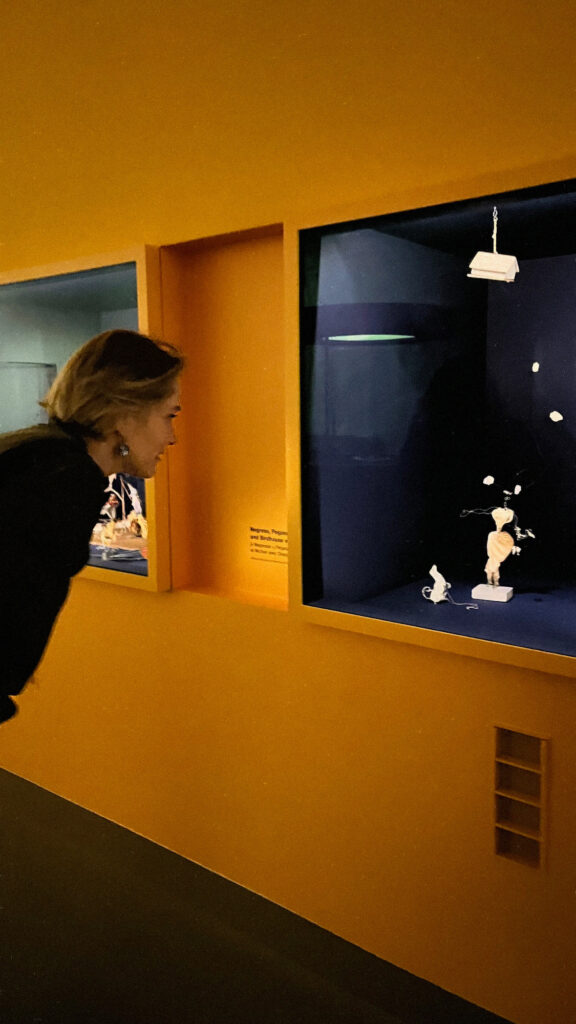
This early experiment with movement and balance eventually led him toward the mobile sculptures he is now known for.
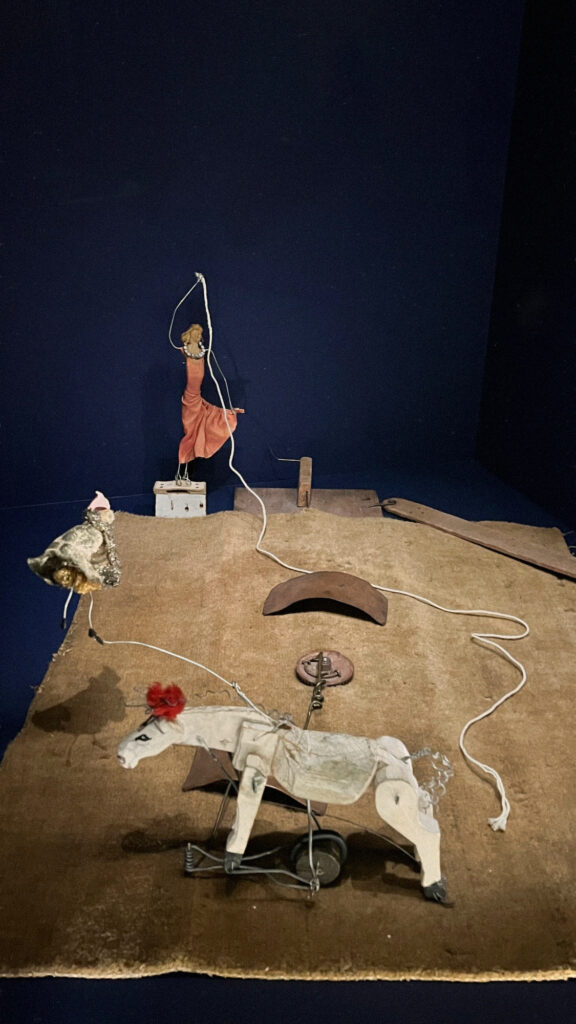
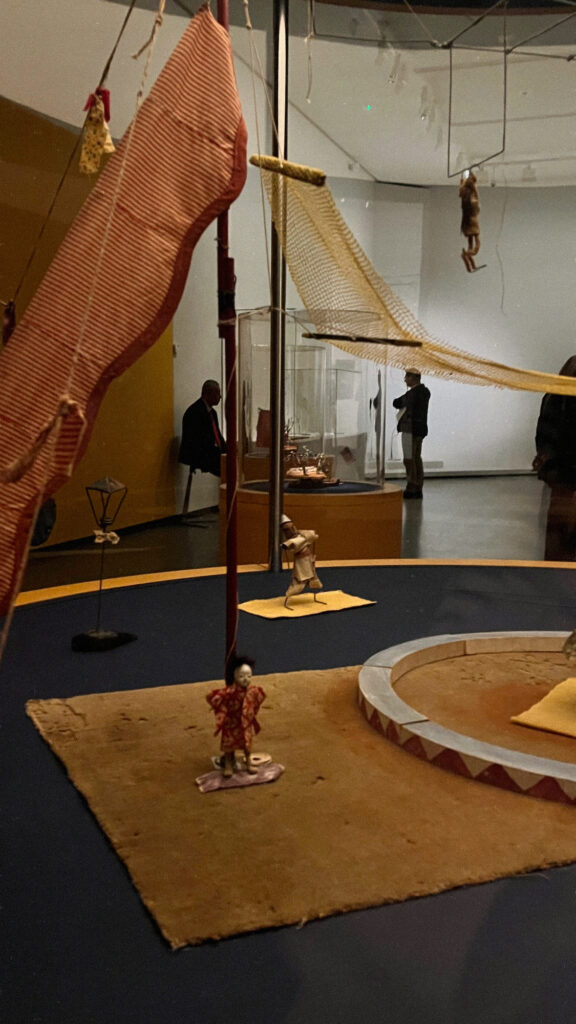
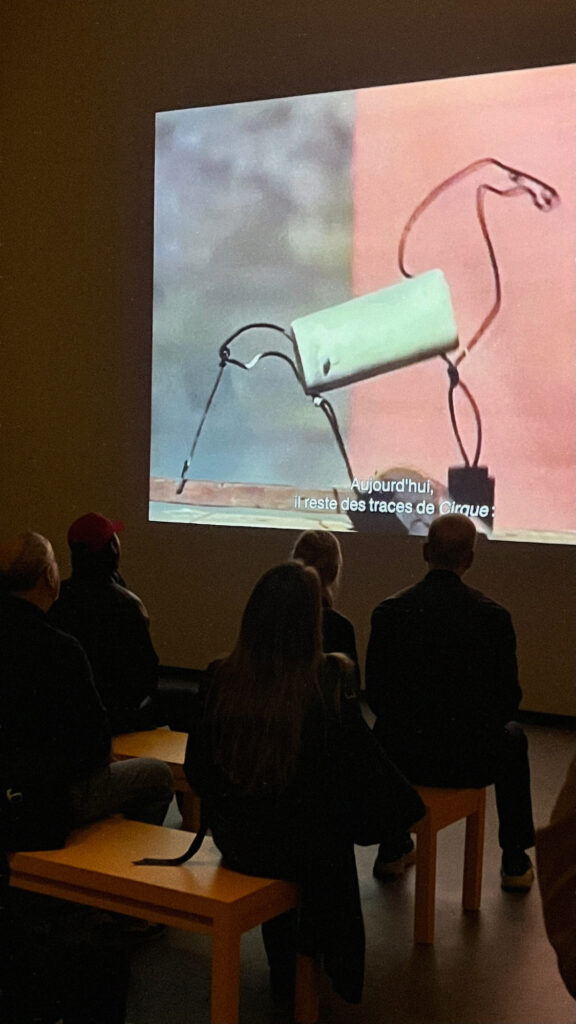
The experience of controlling these small figures, adjusting their balance and movement, became the foundation of his later sculptural language.
🌑 Light, shadow, and form
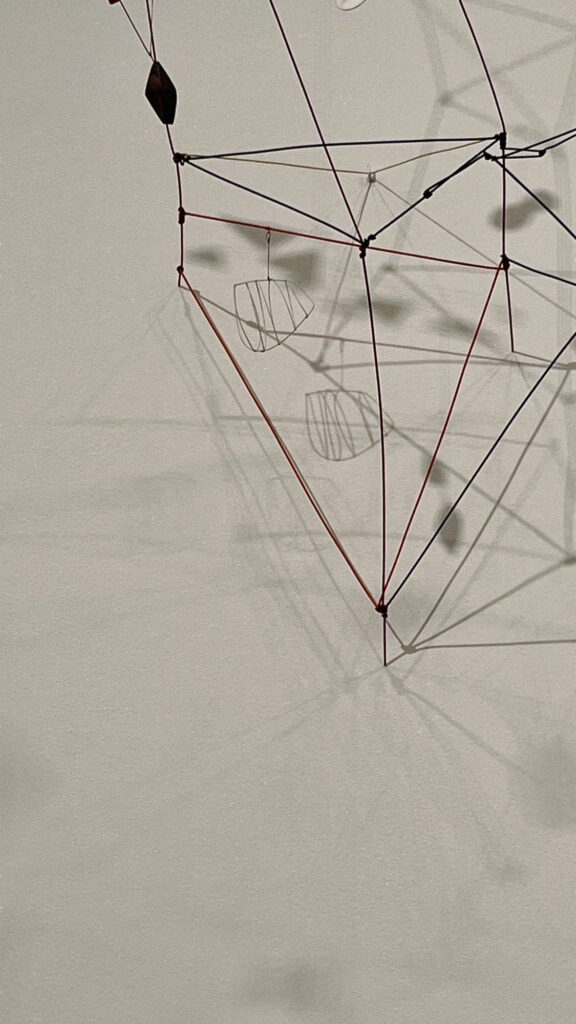
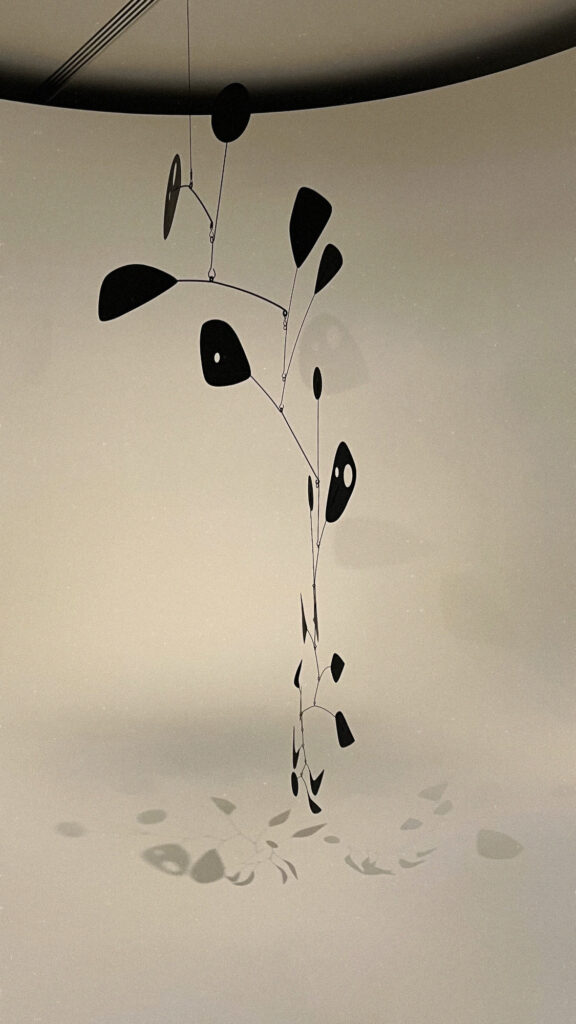
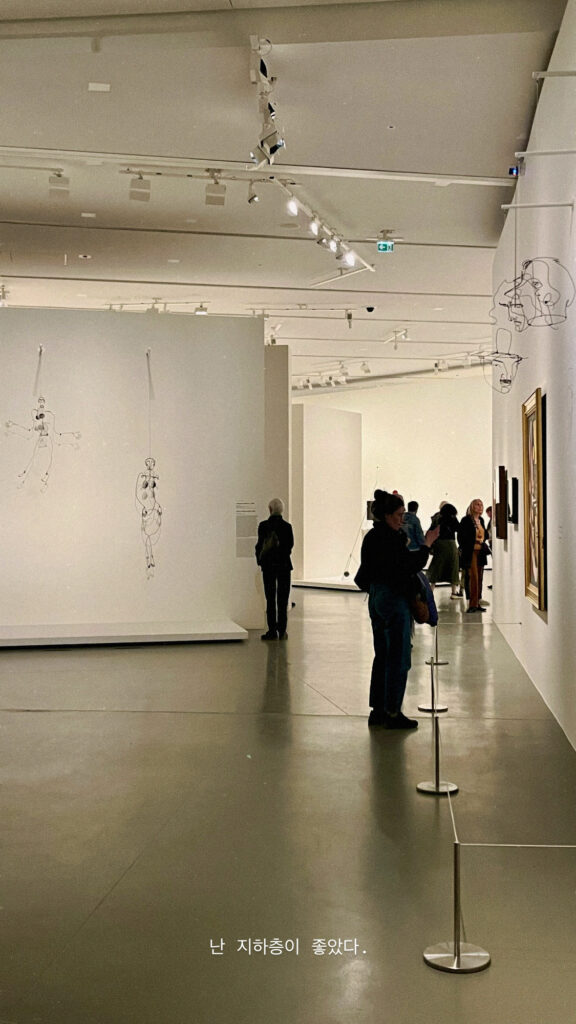
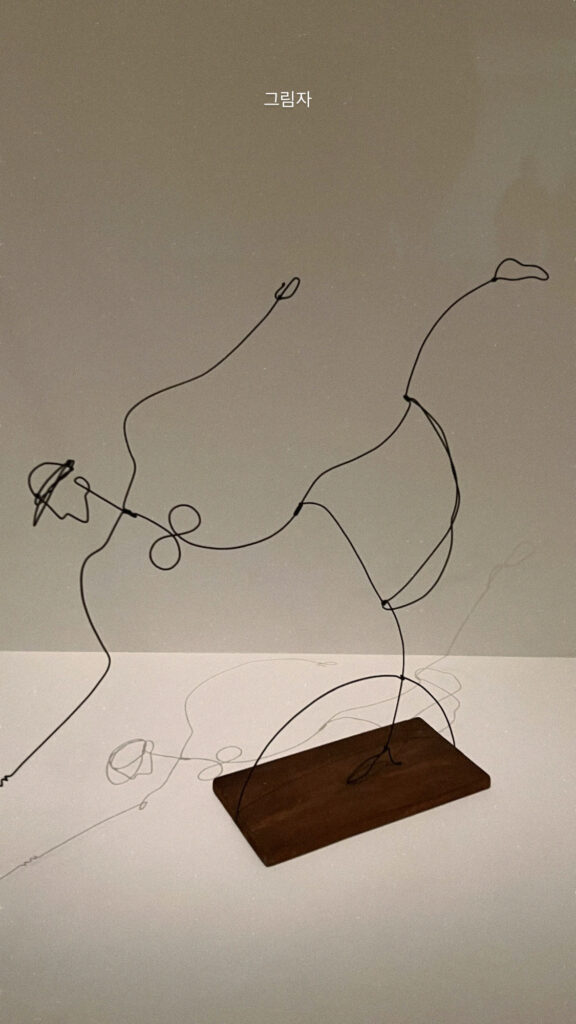
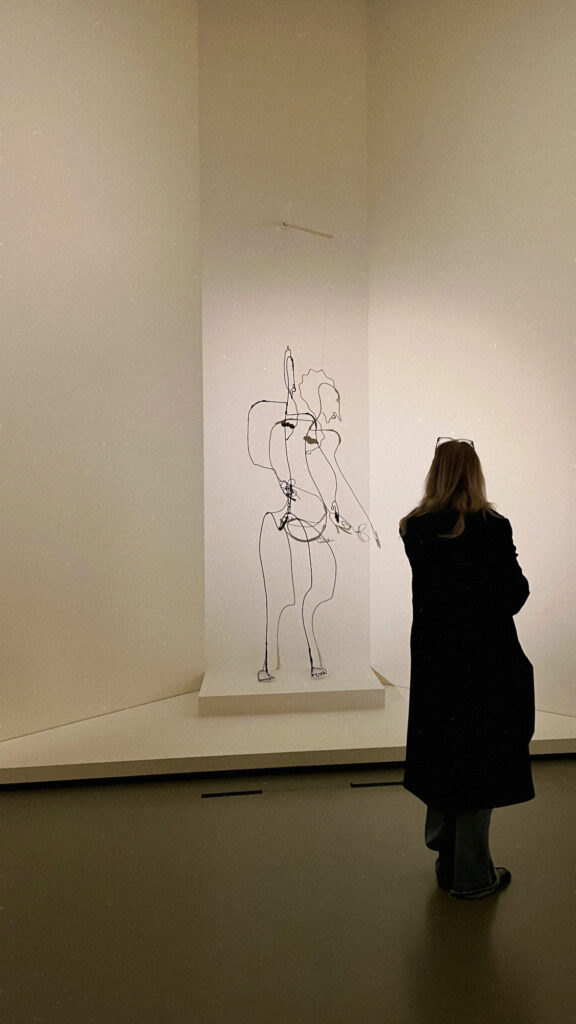
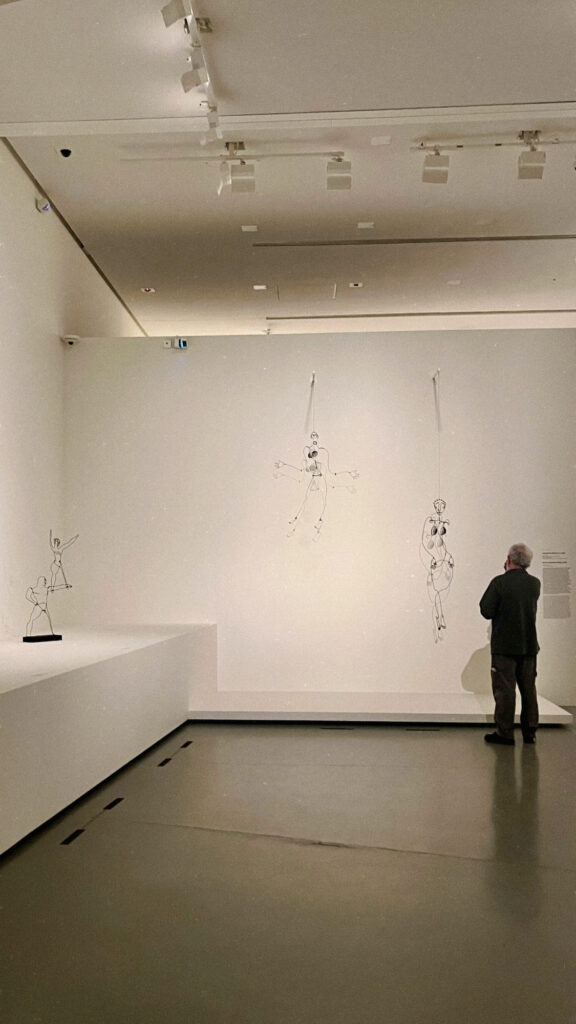
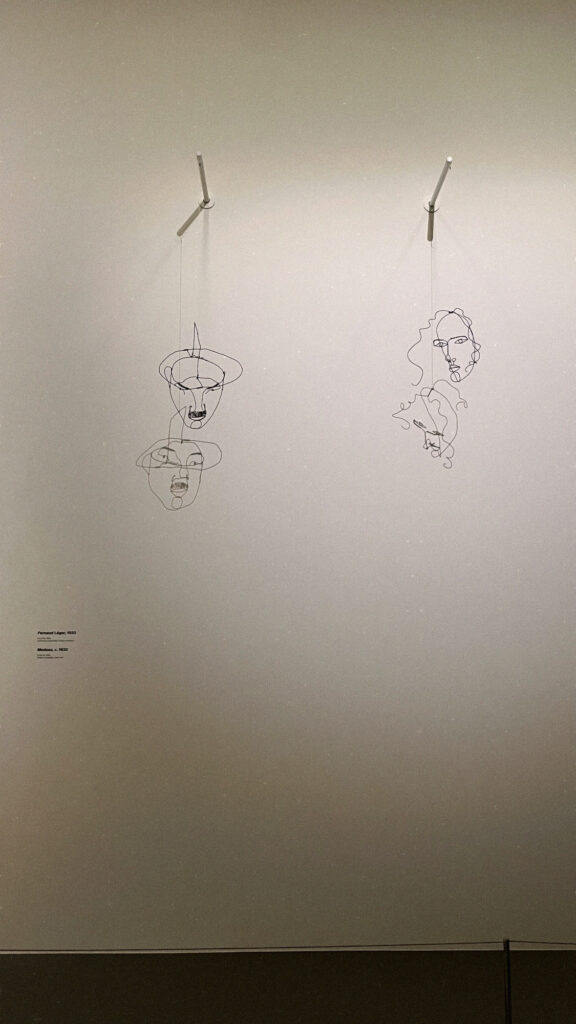
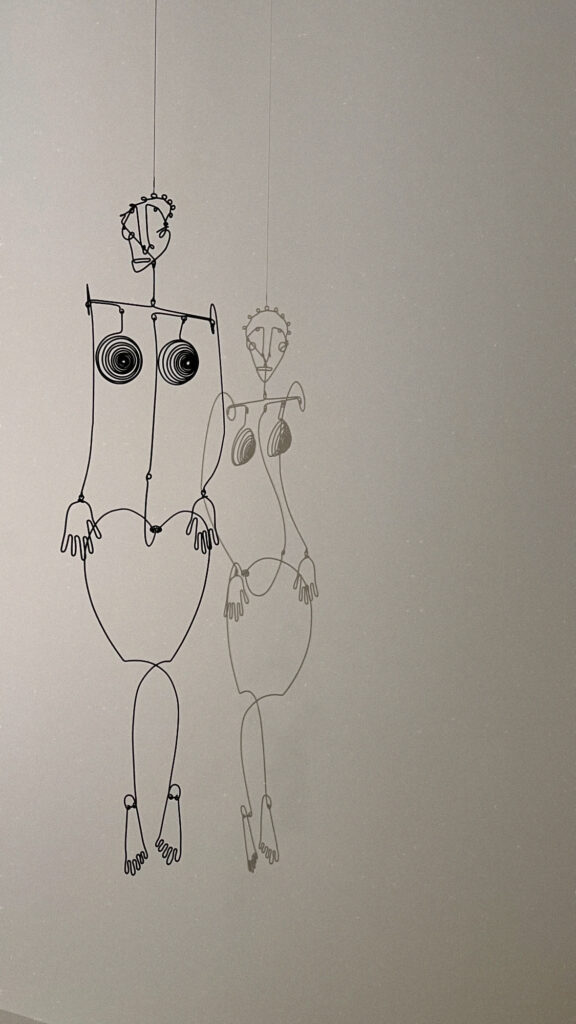
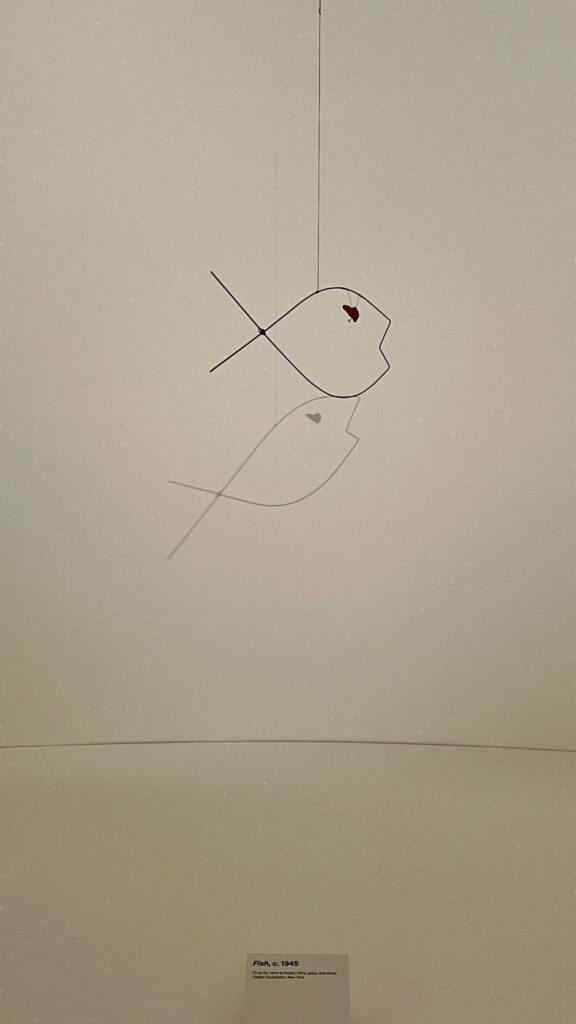
Many of the works felt like delicate constructions of wire and balance — almost like drawing in space.
The shadows themselves became part of the artwork.
It really felt like:
“A sketch drawn with form and light.”
At some point, I found myself thinking — is this genius?
🌀 Influence: Paul Klee, Mondrian, and Miró
At first, I thought one of the paintings was by Calder, but it turned out to be by Paul Klee — an artist who also deeply influenced him.
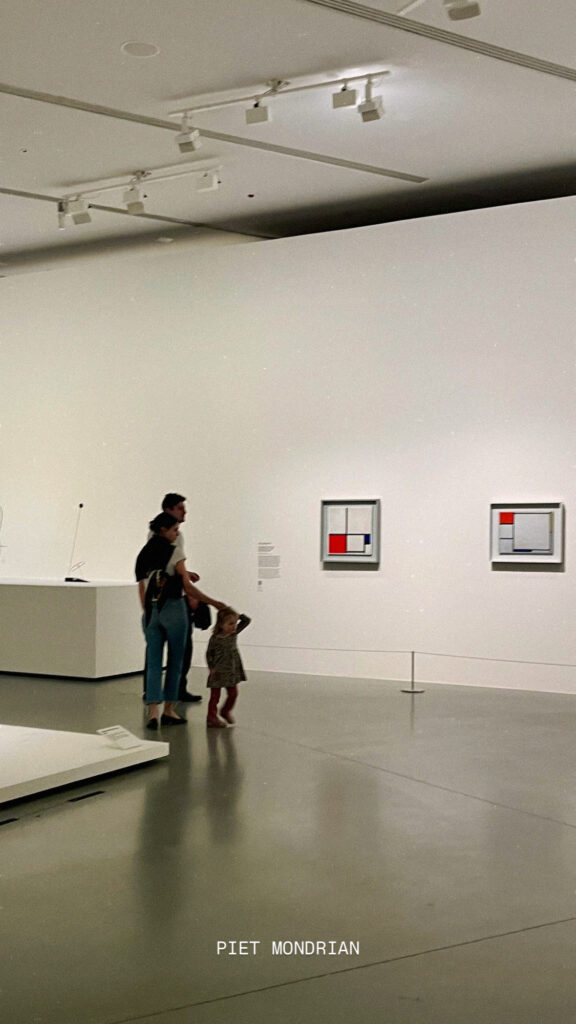
Mondrian also appears in the exhibition context, which makes sense.
Mondrian’s studio in Paris was a key place where Calder encountered ideas that would shape his mobiles.
Calder once wondered:
What if colors move at different speeds?
Such a simple question, but incredibly powerful — very much the thinking of someone with an engineering background.
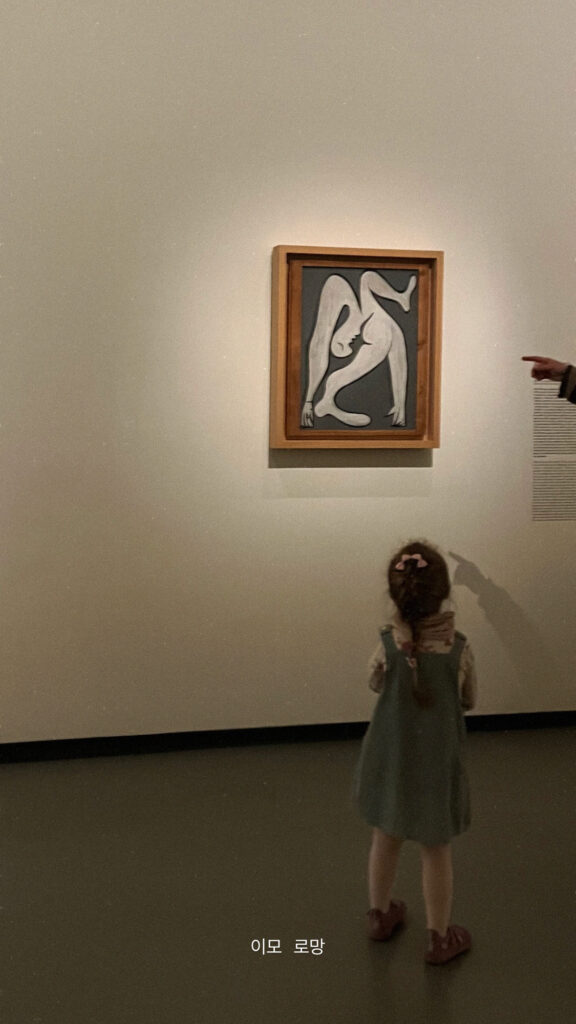
It really confirms how Paris has always been a city of artistic inspiration.
Interestingly, the abstract paintings shown alongside were part of Calder’s brief transition phase before fully moving into sculpture and mobiles.
🎥 Early experiments in movement
One of Calder’s early works was also a kinetic and performative piece, shown only at specific times during the day.
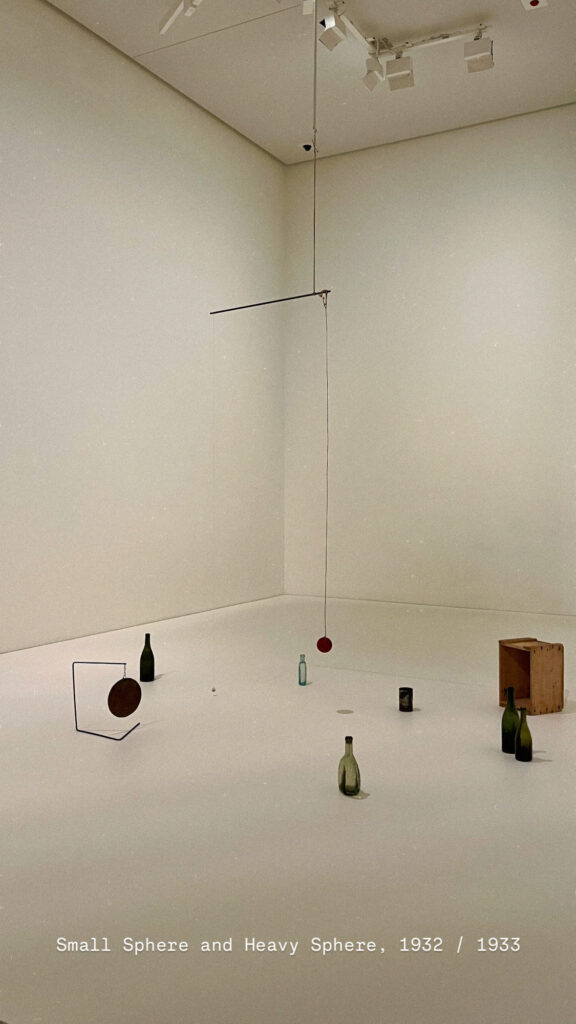
Visitors can also scan a QR code to watch the film:
Film of Small Sphere and Heavy Sphere (1932–1933)
https://www.fondationlouisvuitton.fr/fr/flv-play/film-of-small-sphere-and-heavy-sphere-1932-1933
🌿 Miró and a shared language of freedom
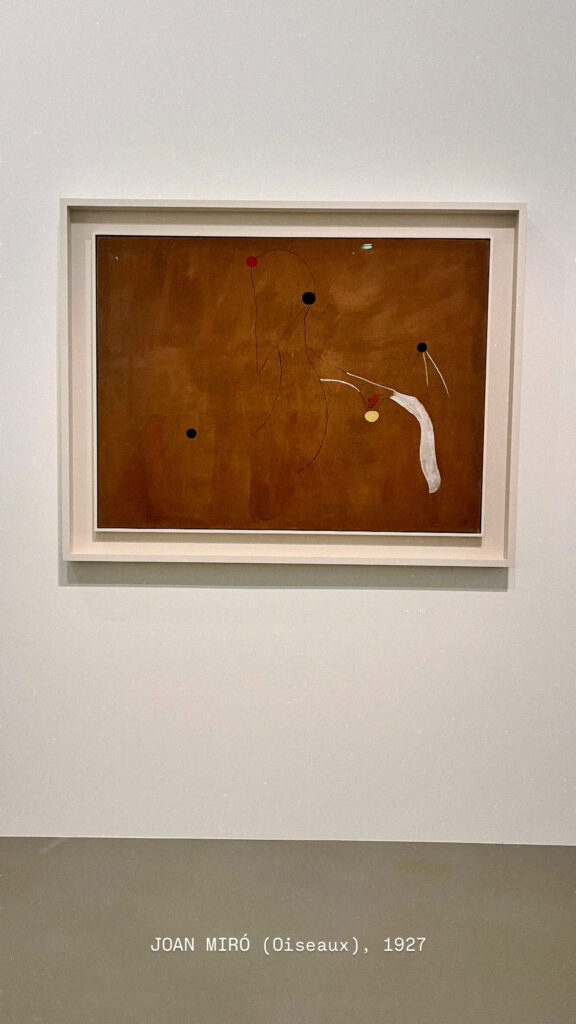
Joan Miró also appears in the exhibition, and his work brought a sense of softness and innocence beneath a more mature structure.
Miró and Calder were actually close friends in Paris, and their artistic languages influenced each other.
It’s often said that:
- Mondrian gave Calder structure
- Miró gave Calder freedom
- and Calder himself added movement and balance
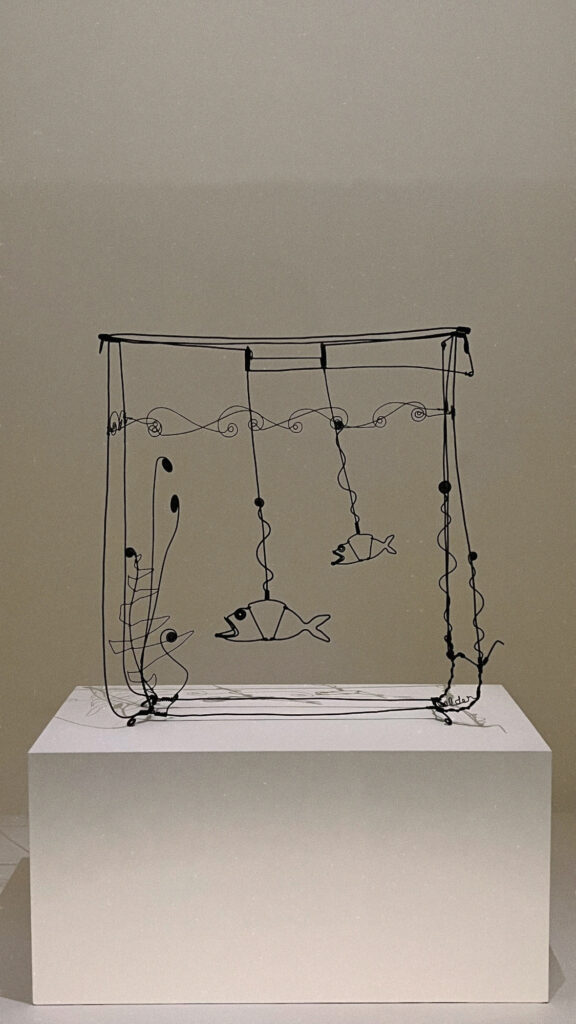
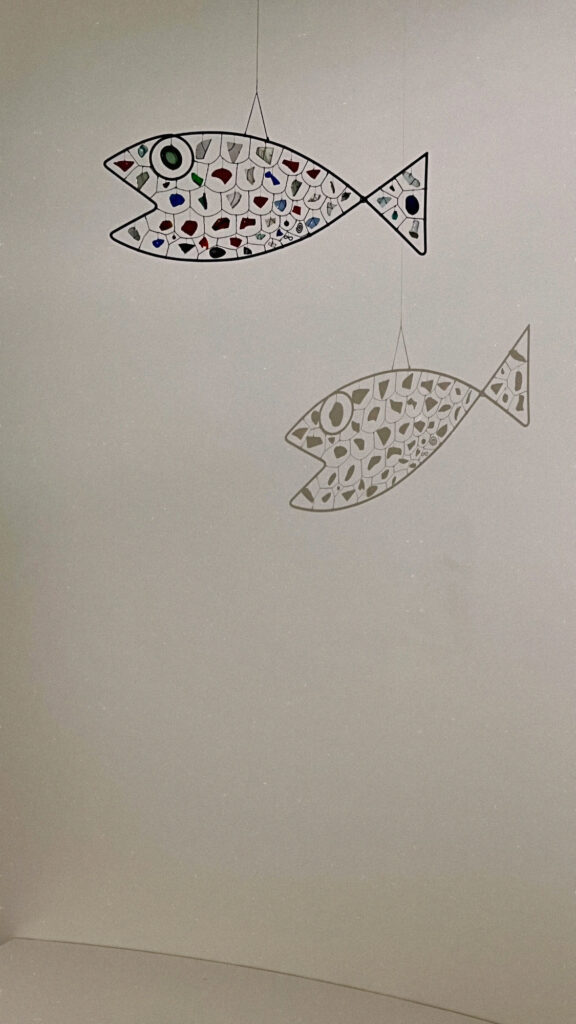
🐟 Floating fish and weightless space
One of the most memorable rooms was filled with mobile fish sculptures.
They felt simple at first glance, but the more you look, the more they feel like they are truly floating in water.
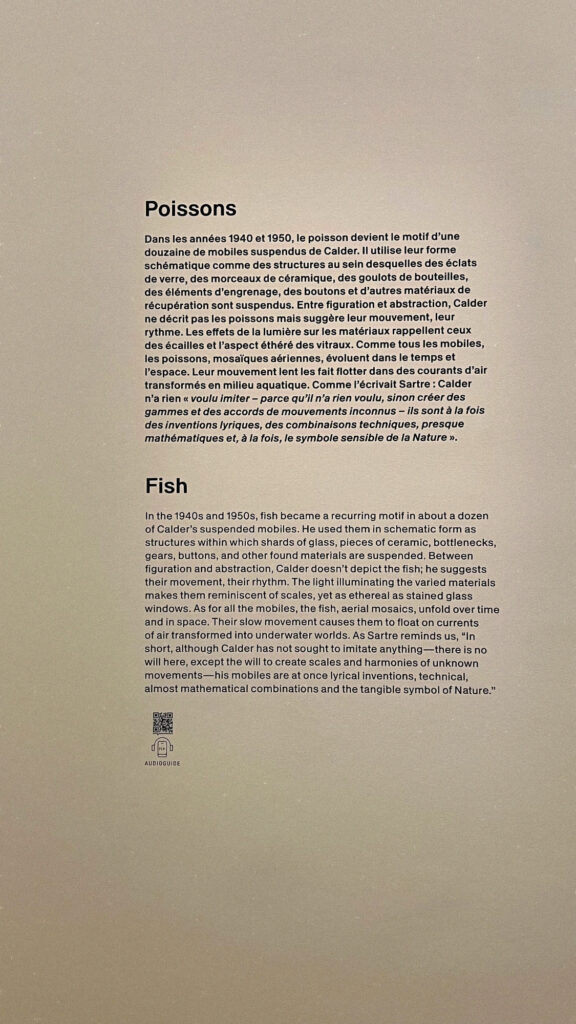
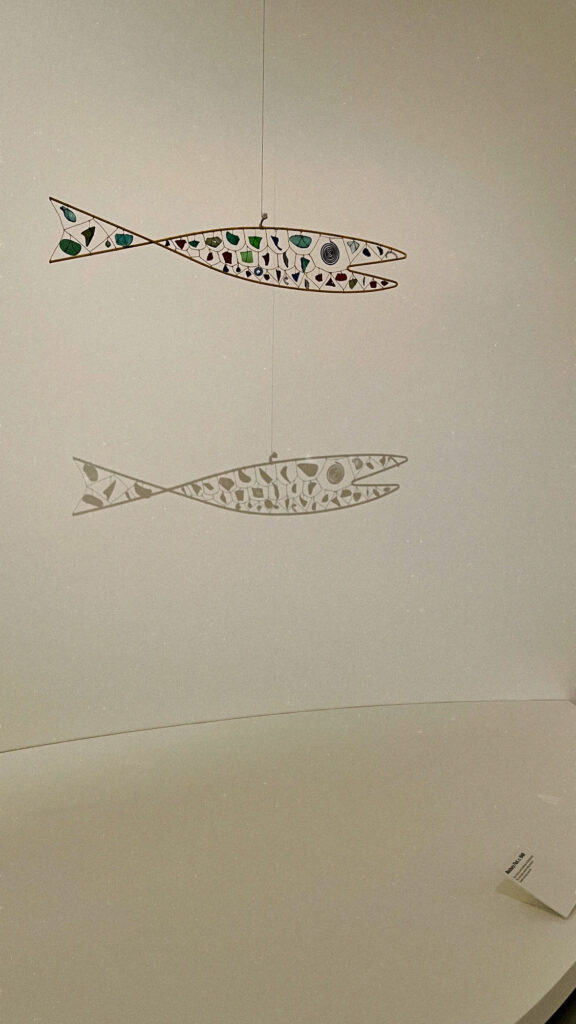
The shadows created by wires and metal added another layer — almost like underwater reflections.
It felt intentional, like the idea of water was built into the air itself.
💭 Reflection
Back home, as I整理 my photos and looked up references, everything started connecting more clearly.
Mondrian, Miró, Calder — suddenly the puzzle made more sense.
It’s interesting how writing and researching after visiting an exhibition can actually deepen the experience itself.
✈️ Calder’s Paris story
Calder was born in the United States, studied engineering, and worked as an engineer before deciding at 28 to fully dedicate himself to art.
He moved to Paris with a one-way ticket.
At first, he had almost no money and began experimenting with wire and small objects — which eventually became the Cirque series.
He carried his miniature circus around Paris cafés and studios, performing it for artists and friends, gradually becoming part of the Paris art scene.
💫 A personal note
Standing in front of his works, I couldn’t help but think about that 28-year-old Calder arriving in Paris a century ago.
It feels distant in time, yet strangely close.
Somehow, I felt like I wanted to cheer for him across time — from one version of “now” to another.
A quiet, emotional kind of success.